

BLOG POSTS
The Leadership Crucible: Why Comfort is the Enemy of Greatness
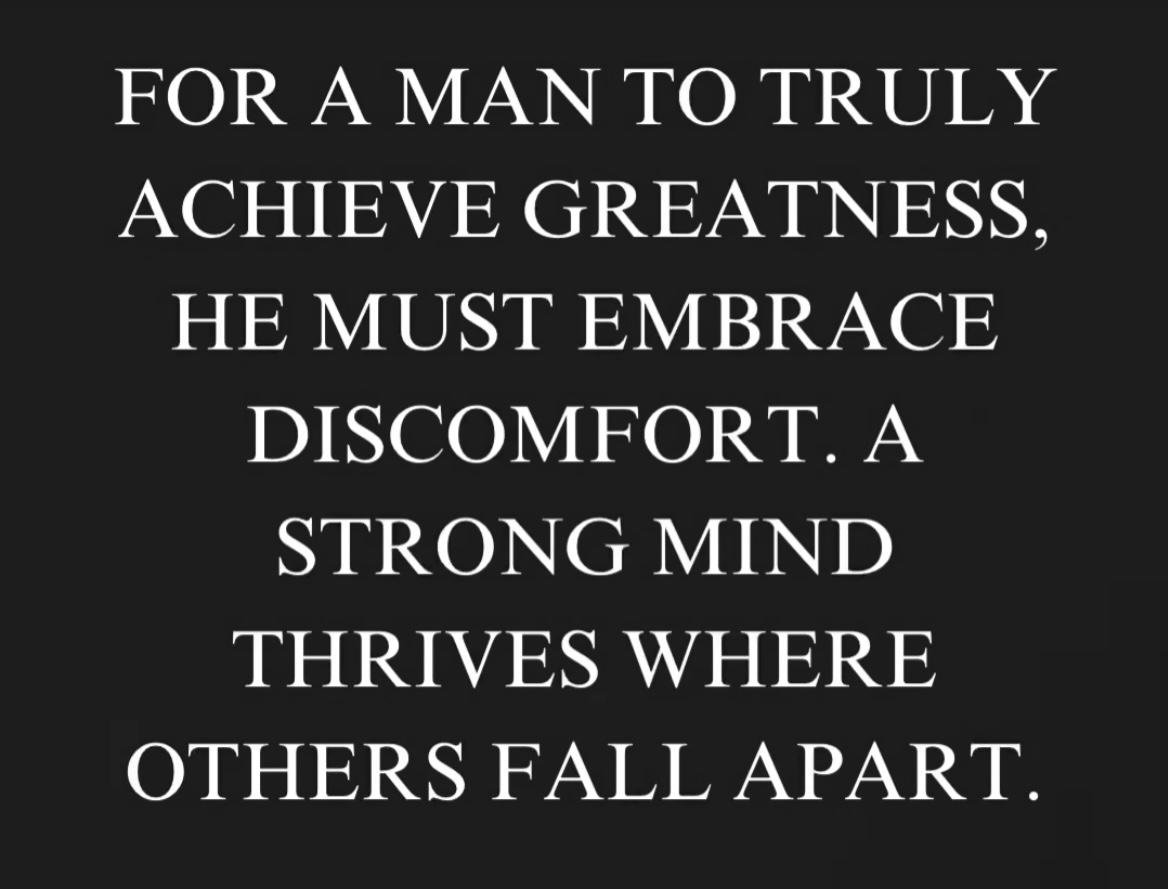
In the volatile landscape of enterprise Information Technology and Client Success Management, a pervasive myth distracts even the most seasoned professionals: that the path to operational greatness is paved with smooth transitions, optimized processes, and minimal friction. This is a profound and strategic misdirection.
For the senior leader or seasoned individual contributor operating at the nexus of technology and business outcomes, the most significant leaps—the enduring competitive advantages—are not forged in the absence of struggle, but in its very core. The pursuit of greatness is not about avoiding discomfort; it is about the deliberate and strategic seeking of friction, for it is only in that crucible of challenge that the resilient, strong mind required for digital transformation and scale is forged.
The True Nature of Professional Discomfort
In our world, discomfort is rarely physical. It is the intellectual and emotional weight of high-stakes situations:
The pivotal, challenging conversation with an executive stakeholder whose vision is misaligned with the technical reality of the roadmap.
The humility and strategic courage required to admit a multi-million-dollar technology bet must be scrapped and course-corrected.
The unrelenting cognitive load of maintaining composure and critical thinking during a system-wide incident or a market-disrupting pivot.
The necessary confrontation of a long-standing, inefficient process that is culturally entrenched within the organization.
These moments are not obstacles to be lamented; they are the critical stress tests that force the retirement of obsolete habits and demand a level of resilience that cannot be simulated. By willingly stepping into these high-pressure, uncomfortable situations, the leader reclaims their strategic agency and proves that their capacity to lead through complexity is unlimited.
Building the Strong Mind: A Strategic Imperative
The concept of a "strong mind" is not a personality trait; it is a developed, operational capability. It is the muscle built through consistent, disciplined action under duress.
The mind that can not only endure but thrive where others fall apart is not one that has dodged hardship, but one that has been strategically tempered by it. This is the ability to:
Maintain strategic clarity when operational chaos is at its peak.
Execute critical, unbiased decision-making when team morale is low or emotions are running high.
Exhibit the discipline to persist on a difficult strategic goal when the path of least resistance—quitting—is most tempting.
Tactics for Cultivating Strategic Resilience
For the leader focused on building this capacity for themselves and their organization, the action is deliberate:
Seek Out Uncomfortable Truths (The Strategy Audit): Actively establish channels for unvarnished, high-fidelity feedback—from executive peers, the operational floor, and key clients. Unvarnished insight is not a personal critique; it is the prerequisite for genuinely corrective action and strategic alignment.
Embrace the "Hard Choice": When faced with a task that requires marginal effort versus one that demands a breakthrough in thinking or process, consistently choose the latter. This is how you build a reliable track record of strategic obstacle mastery.
Mandate Deliberate Reflection (The After-Action Review): Post-mortem a challenging project or failure, not to assign blame, but to extract systemic, repeatable lessons. Codify what was learned about yourself, the team’s operating model, and the underlying technical strategy.
Leading Through Friction to Achieve Scale
This personal commitment to intellectual discomfort has a profound, force-multiplying effect on the organization. A leader who visibly models this behavior creates a fundamental shift in team psychology. When you are transparent about the difficulty of a challenge and your strategic approach to overcoming it, you implicitly give your team permission to struggle without shame.
This organizational culture transforms failure from a liability into an invaluable instructor, and ensures that systemic challenges are met with collective, determined problem-solving rather than individual fear or deflection.
Ultimately, the choice to embrace discomfort is a strategic investment in your long-term success and that of your technology function. It is a commitment to building a foundation of mental fortitude that will serve you through the next cycle of market disruption or digital transformation. By choosing the path of friction today, you secure your ability to lead with unwavering strength, clarity, and authority tomorrow. The most meaningful victories are not found by avoiding the struggle, but by winning the most difficult ones.