

BLOG POSTS
The Fragility of Command and Control
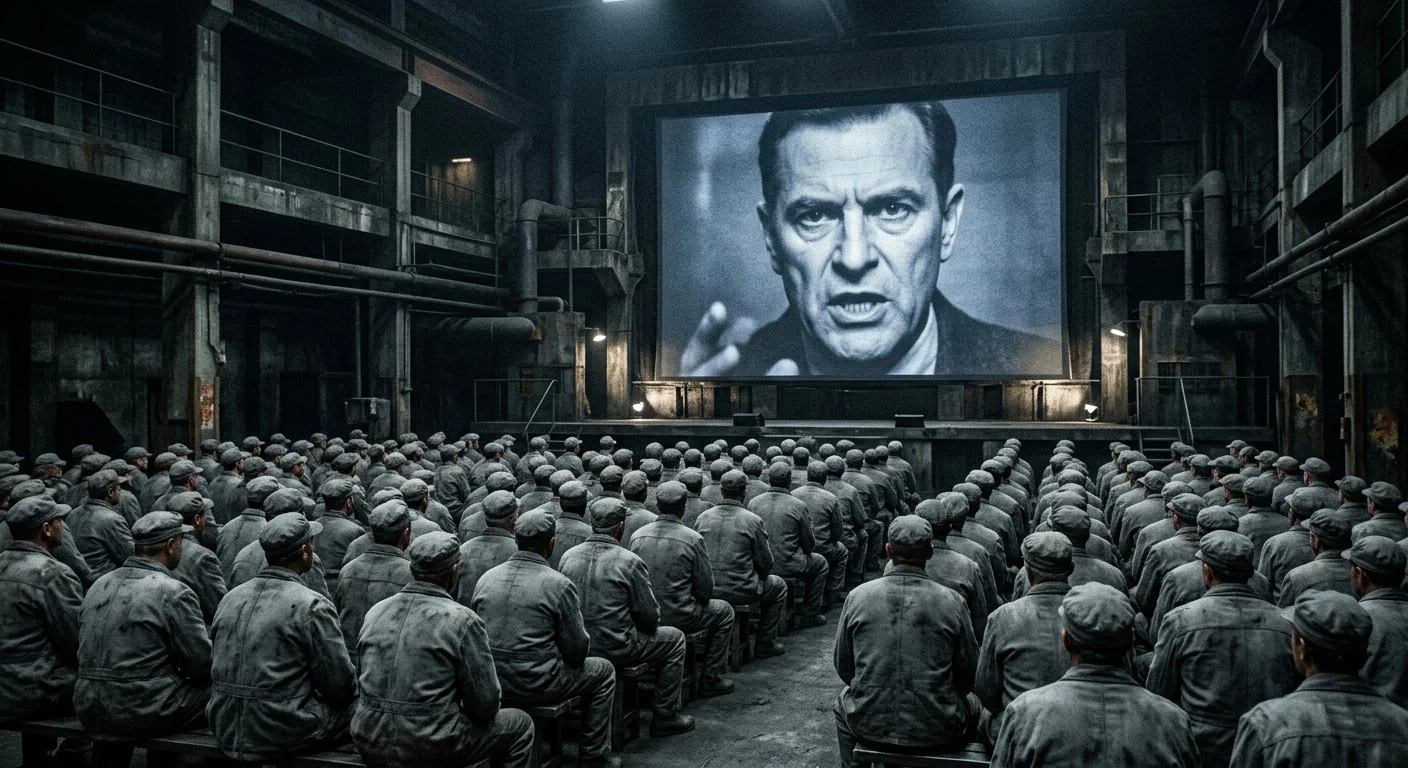
"To do work, you need a head on your shoulders; to survive, you need to obey orders... If you want to stay alive, don't think—do what you're told, and let the system take the blame."
— Aleksander Solzhenitsyn, The Gulag Archipelago
Severe top-down enforcement creates an immediate illusion of order, but it masks an underlying organizational decay. Solzhenitsyn observed this dynamic in its most extreme form, noting how autocratic compulsion forces workers to adopt a simple survival rule: "don't think—do what you're told, and let the system take the blame." For leaders, this reveals the true fragility of authoritarian structures. When organizations punish initiative and demand unquestioning adherence, they destroy personal accountability, transforming proactive stewards into passive observers who let the organization fail by the book.
Top-down enforcement creates a deceptive sense of stability because spreadsheets and status reports look pristine under rigid compliance. Yet this order is profoundly fragile. Historical accounts of forced-labor systems show that structures built on total compulsion appear unbreakable right up until the moment they collapse under the weight of their own unaddressed inefficiencies. When market conditions shift or an unexpected crisis strikes, organizations reliant on heavy-handed mandates freeze. Lacking the habit of independent judgment, local managers wait for orders that arrive too late, leaving the organization unable to adapt to reality.
True accountability cannot exist without autonomy. When leaders substitute rigid top-down governance for genuine leadership, they systematically destroy executive agency at every level of the organization. The records of the Gulag demonstrate how total compulsion taught individuals to abdicate personal moral responsibility to the state. In business, coercive management produces the exact same dynamic: when people are treated like cogs, they stop acting like stewards. They surrender their professional judgment, leaving the organization vulnerable to blind spots that local initiative could have easily resolved.
Overcoming the limits of centralized enforcement demands executive humility. Leaders must accept that no central hierarchy can out-think the collective intelligence of an empowered workforce. Building a resilient organization means replacing rigid mandates with rich context, giving teams the why and trusting them with the how. When leaders foster psychological safety—where surfacing obstacles and challenging assumptions are rewarded—they transform a fragile system into an adaptable, highly responsive enterprise.
Ultimately, dismantling autocratic leadership is a test of executive courage. It demands that leaders relinquish the illusion of total authority to unleash the genuine capability of their teams. When you create an environment where individuals are trusted to exercise judgment, challenge assumptions, and own their results, you restore intellectual honesty and moral agency to the workplace. Leadership is not about enforcing obedience to the system—it is about empowering your people to master reality together.