
Leading Teams Beyond Imagined Fear
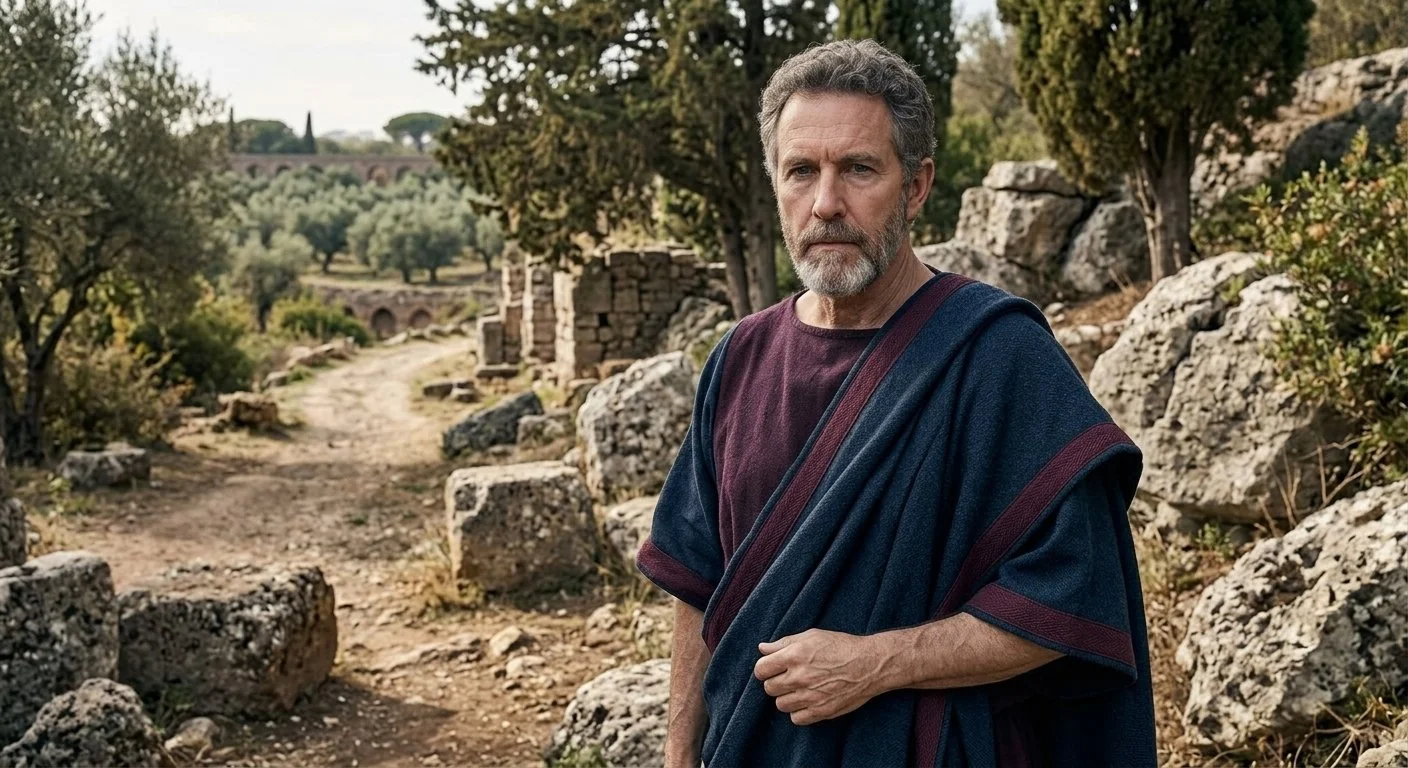
Seneca famously observed that "we suffer more in imagination than in reality." In leadership, this manifests as catastrophization—the debilitating habit of bracing for hypothetical worst-case scenarios during periods of ambiguity. Whether anticipating an upcoming organizational change, a high-stakes decision, or shifting priorities, teams naturally fill information vacuums with speculative fear. Left unchecked, this imagined friction drains bandwidth and paralyzes momentum, forcing teams to pay a heavy tax on problems that haven't even occurred.
To break this cycle, leaders must act as a circuit breaker for collective panic through clarity and candor. Overcoming team anxiety requires frequent communication—sharing as much objective truth as allowable, as early and as often as possible. Just as importantly, it demands the courage to be transparent when answers are unavailable. Defaulting to clear, grounded boundaries—stating plainly, "I do not know that answer yet," or "I am not at liberty to share that detail right now"—instantly kills destructive speculation. Direct honesty builds authentic trust, whereas silence or vague reassurances only feeds the imagination.
Ultimately, leadership is about anchoring the team in present-day facts rather than future fictions. When fear threatens to stall progress, leaders must force an immediate operational audit by asking a simple question: "What do we actually know right now, and what can we control today?" By replacing speculative anxiety with present-moment execution, leaders prevent teams from paying interest on hypothetical debts. Channeling energy away from what might happen and into what needs to happen today transforms imagined fear into grounded, decisive momentum.