
The Illusion of Centralized Control
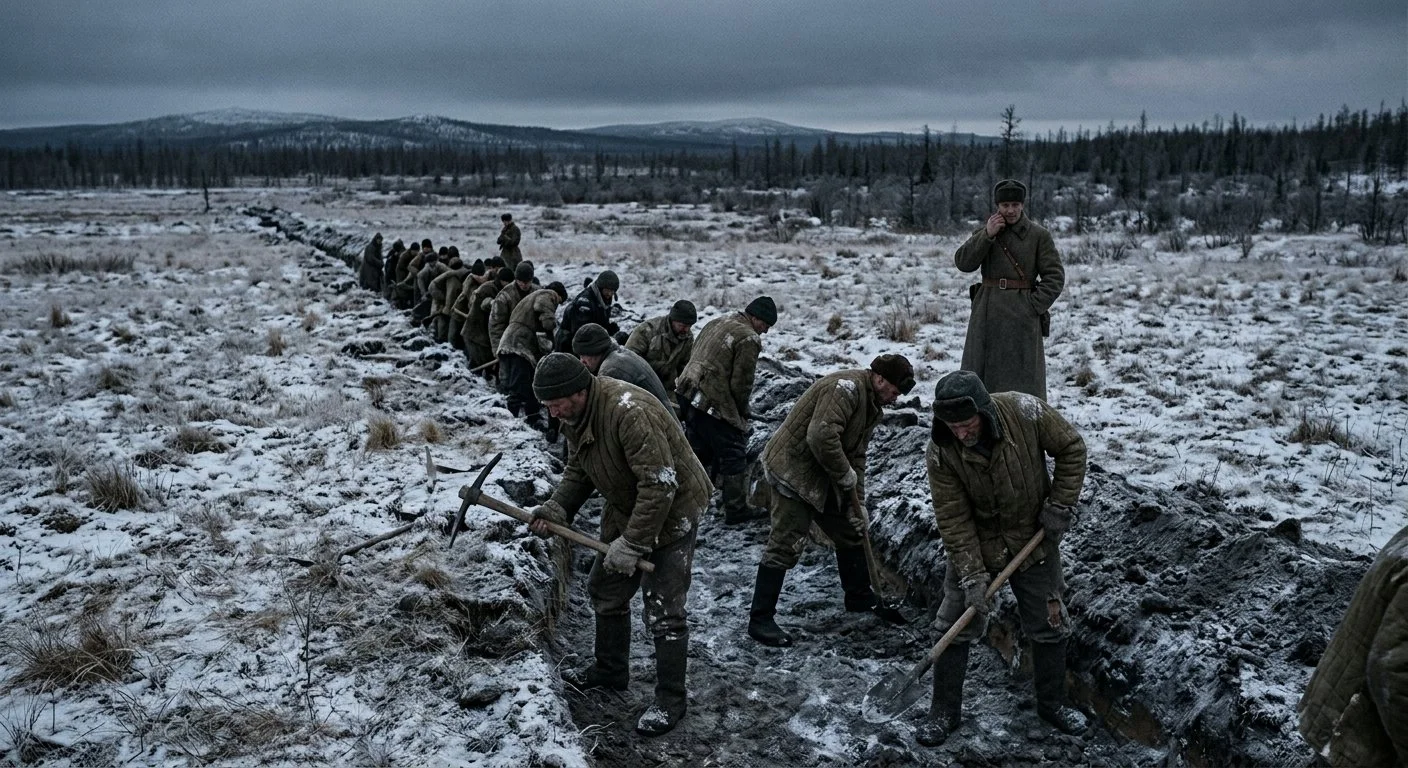
"In our country, the plan is a sacred thing... If the plan says that a ditch must be dug two meters deep, and it turns out to be bedrock at one meter, you don't stop digging or change the plan—you report that the ditch is two meters deep, and you collect your wage for two meters."
— Aleksander Solzhenitsyn, The Gulag Archipelago
Centralized planning operates on a dangerous illusion: the belief that a small group at the top can possess enough total knowledge to dictate micro-level execution across a complex enterprise. Solzhenitsyn documented the tragic absurdity of this mindset in The Gulag Archipelago, showing how rigid central decrees forced workers to pretend they were hitting impossible quotas in impossible conditions. For enterprise leaders, this serves as a stark warning against top-down control. When strategic alignment transforms into rigid centralized command, organizations strip local managers of their judgment, replacing authentic stewardship with performed compliance.
Centralization systematically starves an enterprise of local context. The planners at the top, removed from daily operations, cannot see where the plan breaks down; yet, their authority prevents the leaders on the ground from adapting to reality. When frontline managers are reduced to mere conduits for headquarters' directives, critical thinking dies. Instead of solving problems dynamically, teams waste energy trying to fit unpredictable operational facts into rigid, outdated models. The enterprise sacrifices its greatest competitive asset: the adaptive intelligence of the people closest to the work.
The goal of leadership is not to dictate every shovel stroke, but to ensure the entire enterprise agrees on where to dig. True operational excellence thrives in the balance between strategic alignment and tactical autonomy. When executives mandate what success looks like while empowering frontline teams to determine how to navigate obstacles, they eliminate the need for performative metrics. Leaders must continually audit their management style: if your strategy cannot survive contact with ground truth, you haven't built a resilient organization—you've merely built a high-overhead illusion.
Executive stewardship requires the discipline to value ground truth over corporate comfort. When leaders abandon the illusion of centralized control, they build resilient organizations capable of identifying bedrock early and adjusting course with speed. True agency is not demonstrated by enforcing a flawed plan to its bitter end, but by cultivating an environment where objective reality is respected, local context is trusted, and strategic goals are met through adaptive, real-world execution.
Ultimately, resisting the pull of centralized overreach is a test of executive character. It requires the willingness to give up the false comfort of predictable reports in exchange for the messy, unvarnished truth of frontline execution. When leaders establish clear strategic intent and trust their teams to navigate the bedrock, they move from bureaucratic management to authentic stewardship. The ultimate duty of leadership is not to protect the plan from reality, but to equip your people to master reality itself.