

BLOG POSTS
The Illusion of Centralized Control
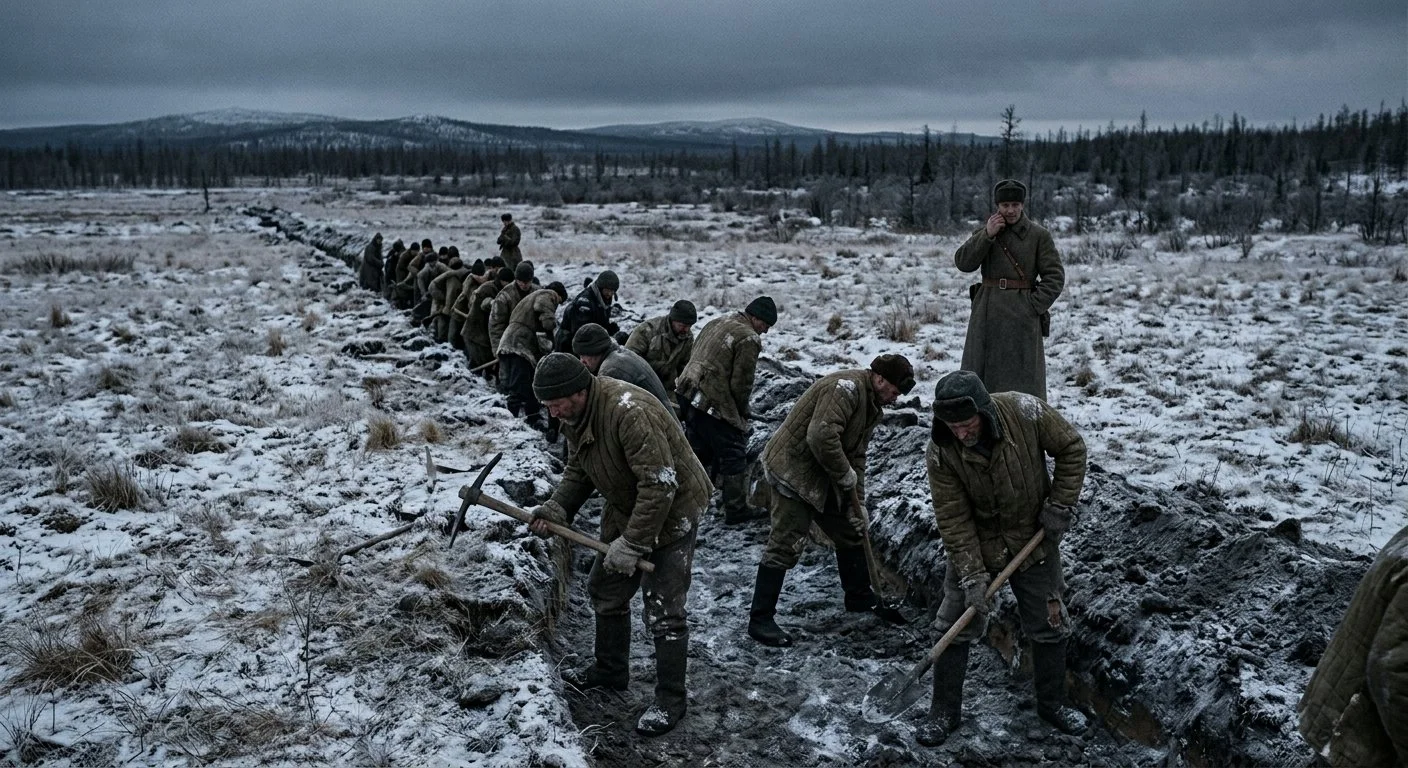
"In our country, the plan is a sacred thing... If the plan says that a ditch must be dug two meters deep, and it turns out to be bedrock at one meter, you don't stop digging or change the plan—you report that the ditch is two meters deep, and you collect your wage for two meters."
— Aleksander Solzhenitsyn, The Gulag Archipelago
Centralized planning operates on a dangerous illusion: the belief that a small group at the top can possess enough total knowledge to dictate micro-level execution across a complex enterprise. Solzhenitsyn documented the tragic absurdity of this mindset in The Gulag Archipelago, showing how rigid central decrees forced workers to pretend they were hitting impossible quotas in impossible conditions. For enterprise leaders, this serves as a stark warning against top-down control. When strategic alignment transforms into rigid centralized command, organizations strip local managers of their judgment, replacing authentic stewardship with performed compliance.
Centralization systematically starves an enterprise of local context. The planners at the top, removed from daily operations, cannot see where the plan breaks down; yet, their authority prevents the leaders on the ground from adapting to reality. When frontline managers are reduced to mere conduits for headquarters' directives, critical thinking dies. Instead of solving problems dynamically, teams waste energy trying to fit unpredictable operational facts into rigid, outdated models. The enterprise sacrifices its greatest competitive asset: the adaptive intelligence of the people closest to the work.
The goal of leadership is not to dictate every shovel stroke, but to ensure the entire enterprise agrees on where to dig. True operational excellence thrives in the balance between strategic alignment and tactical autonomy. When executives mandate what success looks like while empowering frontline teams to determine how to navigate obstacles, they eliminate the need for performative metrics. Leaders must continually audit their management style: if your strategy cannot survive contact with ground truth, you haven't built a resilient organization—you've merely built a high-overhead illusion.
Executive stewardship requires the discipline to value ground truth over corporate comfort. When leaders abandon the illusion of centralized control, they build resilient organizations capable of identifying bedrock early and adjusting course with speed. True agency is not demonstrated by enforcing a flawed plan to its bitter end, but by cultivating an environment where objective reality is respected, local context is trusted, and strategic goals are met through adaptive, real-world execution.
Ultimately, resisting the pull of centralized overreach is a test of executive character. It requires the willingness to give up the false comfort of predictable reports in exchange for the messy, unvarnished truth of frontline execution. When leaders establish clear strategic intent and trust their teams to navigate the bedrock, they move from bureaucratic management to authentic stewardship. The ultimate duty of leadership is not to protect the plan from reality, but to equip your people to master reality itself.
Why High Horizon Leadership Matters

As Henry David Thoreau wrote in Walden, "In the long run, men hit only what they aim at." In executive leadership, this simple law of trajectory dictates the ultimate boundary of an enterprise. Organizations rarely stumble into accidental greatness; they default to the exact level of ambition their leaders dare to target. When executives allow their focus to narrow to immediate operational fire-drills or conservative metrics, they unwittingly lock their teams into a trajectory of incrementalism. Where you point the strategic vector of your organization is eventually where it will land.
Target selection directly shapes organizational capability. When leaders establish low-horizon goals, the team’s internal muscle adapts down to match that modest demand. Process efficiency, creative problem-solving, and strategic discipline all atrophy when they aren't stretched toward a higher aim. Thoreau’s warning exposes the reality of this drift: an organization that aims at mediocrity will hit it with remarkable consistency. Settling for predictable targets doesn't protect the enterprise from risk—it guarantees that its long-term potential will slowly shrink to match its low expectations.
Ultimately, an enterprise cannot out-execute the altitude of its strategic vision. Thoreau understood this reality, following his observation with a sharp imperative: "Therefore, though they should fail immediately, they had better aim at something high." If you aim at minor optimizations, you will achieve a marginally better version of yesterday's status quo—while missing a high-horizon target forces your organization to expand its operational limits. As stewards of enterprise potential, leaders must continuously audit the horizon: inspect what your team is truly aiming at today, because that is precisely what your organization will hit tomorrow.
The Internal Infrastructure: Is Your Output Aligned with Your Design?
We have now crossed the threshold into May. The initial momentum of Q2 is in full swing, and the "daily grind" of the fiscal year has transitioned from a sprint into a sustained marathon. For a leader navigating the complexities of Information Systems or Client Success, this is a season of high-velocity decision-making where the "signal" is frequently lost in the "noise." You likely spend your hours answering the loud voices of your stakeholders, the urgent escalations of your team, and the persistent pressure of operational targets.
In this high-growth season, have you stopped to audit the "middleware" of your own leadership? Specifically, have you paused to listen for the frequency of your own vocation?
The Architecture of Calling
In the enterprise landscape, "vocation" is often dismissed as a secondary consideration—a soft concept to be addressed at a retreat or retirement. However, a seasoned Strategic Advisor understands that personal vocation is the ultimate engine of operational endurance. It is the clarity that allows you to navigate high-stakes environments without compromising your technical integrity or professional conduct.
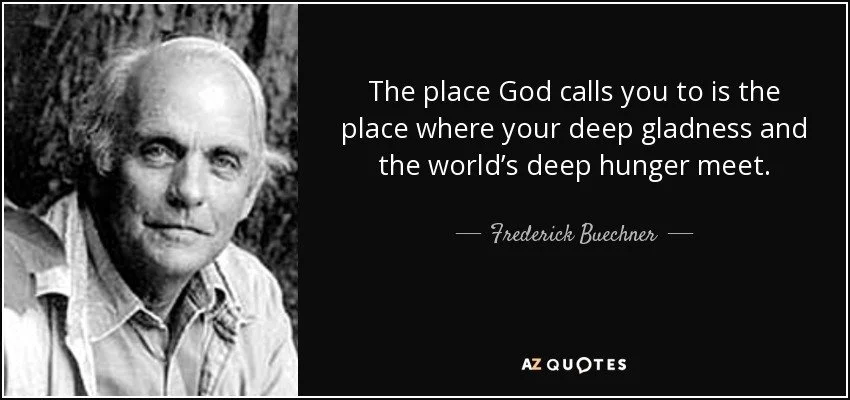
Frederick Buechner offered a diagnostic definition of vocation that challenges the standard corporate narrative:
"The place God calls you to is the place where your deep gladness and the world's deep hunger meet."
For you, the leader responsible for the stability of critical business systems, this is not a philosophical suggestion; it is a structural requirement.
The Human Middleware: Stability Through Kindness
Consider the technical concept of System Stability. In any mission-critical software environment, stability is maintained by the silent, unseen layers that prevent friction between disparate modules. In your leadership, this "middleware" is Kindness (an internal trait rooted in empathy and genuine concern. It involves doing what is truly best for someone, even if it causes temporary discomfort).
How does your unseen compassion act as the shock absorber for your organization during this high-pressure May cycle? When a project hits a critical bottleneck, what "non-verbal cues" are you transmitting to your team? Does your presence introduce more heat into the system, or does it provide the cooling stability required for a breakthrough?
The Personal Intersection: A Diagnostic Audit
Finding the baseline of your calling requires you to analyze the intersection of two distinct internal data points:
1. Your Deep Gladness (The Gift of Design)
This is not merely what you are "competent" at, but the work that provides a sense of vitality.
The Inquiry: When you strip away the title and the operational metrics, which specific activity—the architecture of a complex solution, the mentorship of a rising talent, or the resolution of a fractured client relationship—actually recharges your internal battery?
2. The World’s Deep Hunger (The Strategic Need)
As a seasoned leader, where do you see a "hunger" that matches your specific, merit-based capability?
The Inquiry: Where does your organization currently lack the stability that only your unique professional conduct can provide? Is it a hunger for calm authority during a system-wide incident, or the need for a mentor who values intellectual honesty over being right?
The Stewardship of the Self
When you lead from the intersection of these two points, your work moves beyond the transactional. It becomes a contribution. As a leader, you must be the inquisitor of your own path. This mirrors the principle of stewardship found in the Bible:
"As each has received a gift, use it to serve one another, as good stewards of God's varied grace." (1 Peter 4:10, ESV)
If you focus only on the demands of your role (the "hunger") without your "gladness," you are architecting your own burnout. If you focus only on your "gladness" without addressing a real "hunger," your leadership becomes a vanity project rather than a strategic asset.
Final Diagnostic
As you navigate the mid-point of Q2, take a moment to look at your personal "dashboard". Are your non-verbal cues reflecting a leader who is operating at the intersection of calling, or one who is merely surviving the noise?
Society’s voices are loud and reactive, but the voice of vocation is steady and clinical. Where does your "deep gladness" meet a "deep hunger" in your professional world today? Are you stewarding your career—and your team's stability—toward that intersection?
The Strategic Interior: Is Your Leadership Architecture Built for Sustainability?
When you are navigating the high-pressure intersection of P&L responsibility and enterprise-level technical deployments, what is the quality of the "non-verbal data" you are projecting? Do you recognize the moment your internal narrative shifts from a posture of stewardship to one of reactive defense?
The Architecture of the Unseen
As an executive or high-potential contributor in the IT and Client Success sectors, you are an architect of systems. Yet, the most critical infrastructure you will ever oversee is your own internal operating system. High-level leadership is an "internal-out" discipline; you cannot cultivate vitality in your organization if your own internal narrative is cluttered with "legacy code" like irrational thoughts or unmanaged frustrations.
Stewardship of the self requires you to adopt specific, disciplined habits that protect your strategic clarity:
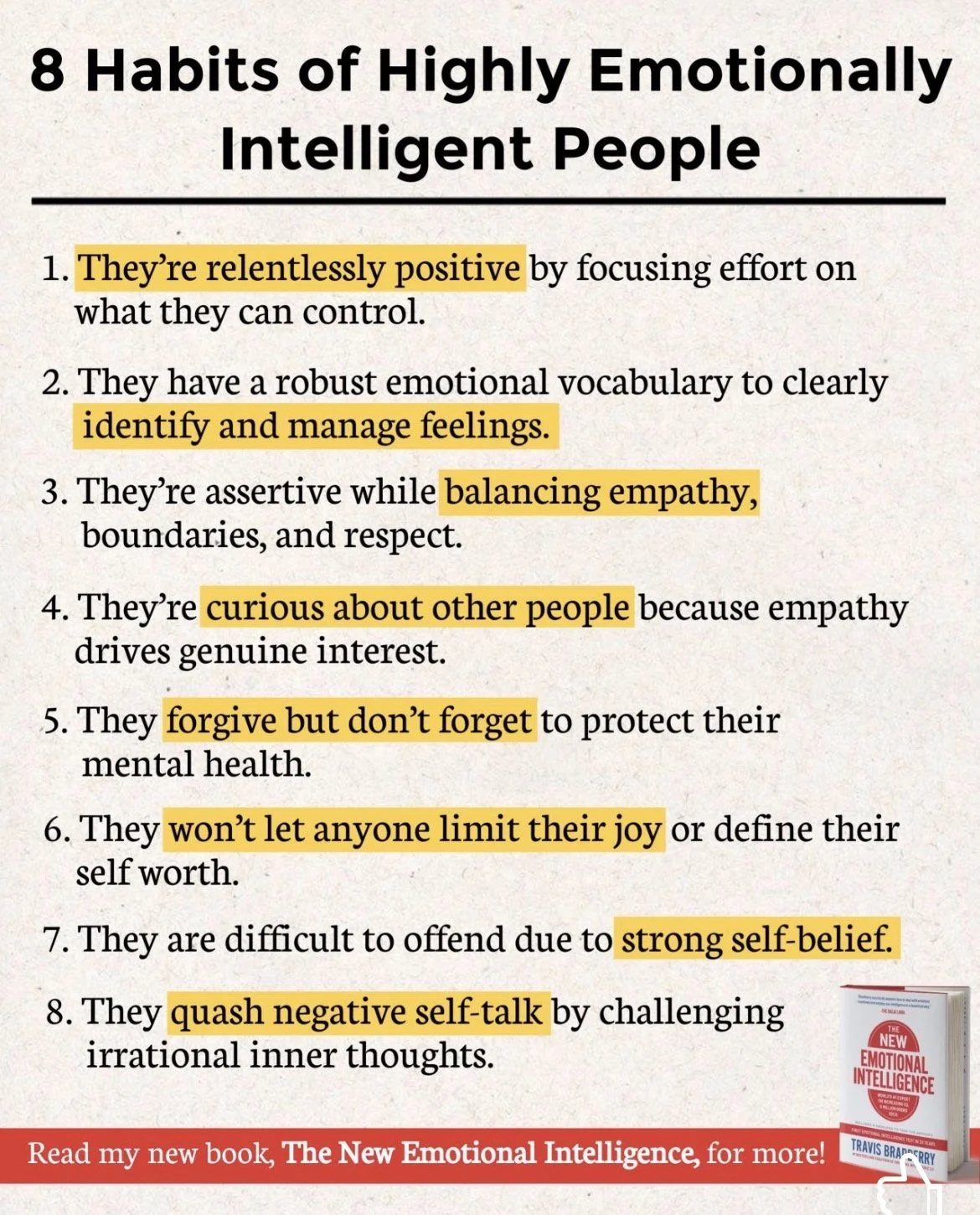
Variable Control: You stay "relentlessly positive" by focusing your effort strictly on what you can control. This isn't about ignoring risks; it’s about refusing to leak energy into variables outside your influence.
Semantic Precision: You maintain a "robust emotional vocabulary." In the same way you define technical requirements, you must clearly identify and manage your feelings so they don't drive your decisions.
The High-Bandwidth Interface: You are "assertive while balancing empathy, boundaries, and respect." This creates a stable, high-trust environment where your cohort and direct reports know exactly what to expect from your presence.
The Biblical Blueprint for Integrity
This commitment to an audited interior is mirrored in the ancient wisdom of the Psalms. As you consider the "warrior" within you—the part of you responsible for P&L, culture-building, and sustainability—reflect on the mandate given to those who lead:
"With upright heart he shepherded them and guided them with his skillful hand." (Psalm 78:72, ESV)
Notice the sequence: the "upright heart" (the internal state) precedes the "skillful hand" (the external competency). If your internal state is compromised by negative self-talk, even the most skillful technical hand will eventually falter. You must be "difficult to offend due to strong self-belief," ensuring your leadership flows from a foundation of integrity rather than insecurity.
Executive Competencies of the Audited Mind
How does a disciplined internal state translate into the results your Board and Finance team demands? It manifests as a series of resilient executive competencies:
Composed Conflict Resolution: Because you "quash negative self-talk" and irrational thoughts, you remain the steadying force in a heated room.
Clearer Communication: Your words carry weight because they aren't diluted by the need to defend your self-worth; you refuse to let external clamor "define your self-worth."
Profound Resilience: You "forgive but don't forget" to protect your own mental health and strategic focus, allowing you to sustain your energy over the long term.
A Consultation of the Self
As you look toward the challenges of the coming quarter, remember that your external results are the trailing indicators of your internal stewardship. You have the agency to debug your narrative and "won't let anyone limit your joy."
How will you audit your internal architecture today? Are you prepared to lead with the "upright heart" that your mission requires?
The Architect of the Internal Forge: Stewardship Beyond the Spreadsheet
When the pressure of a stalled digital transformation or a fractured client relationship mounts, do you recognize the voice directing your next move—is it the reaction of a weary manager, or the resolve of a seasoned steward?
The Internal Forge of Leadership
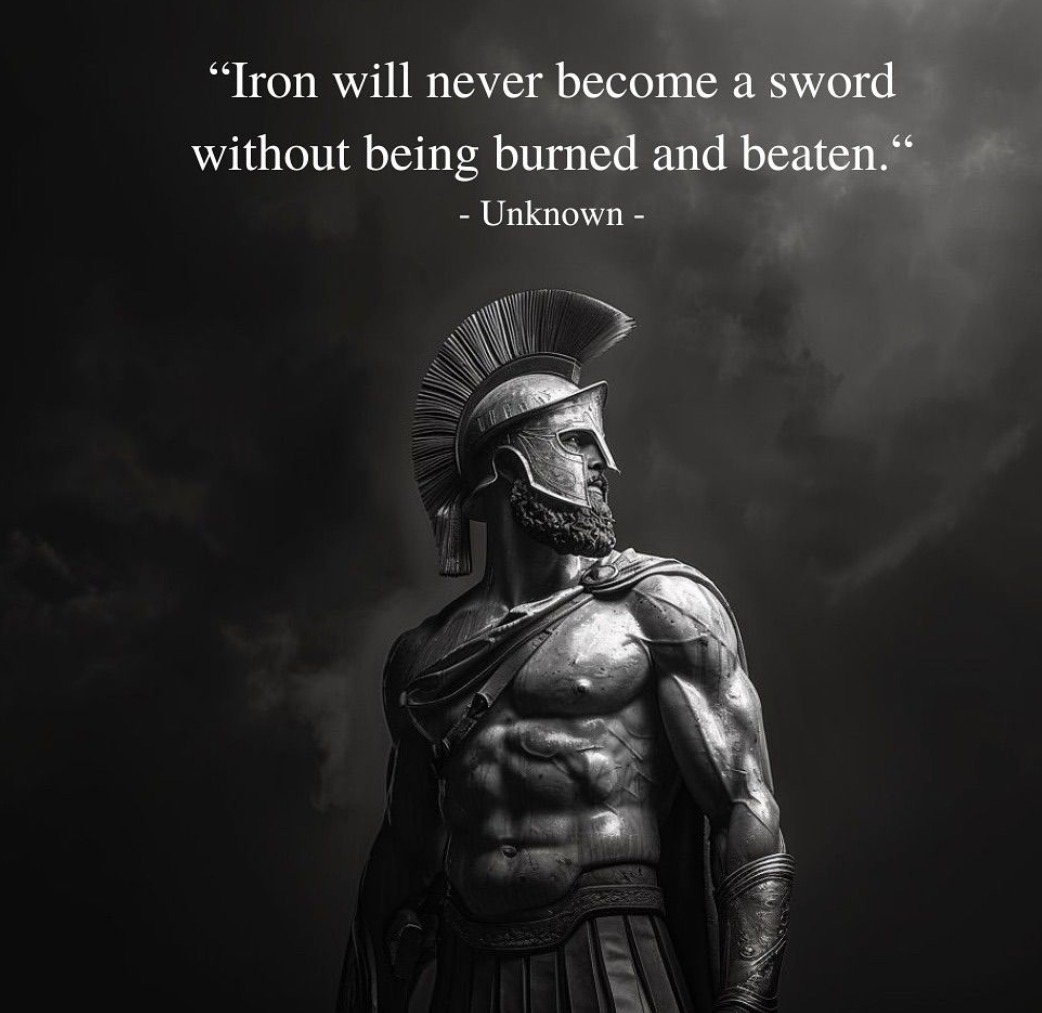
You understand that the enterprise systems you manage are only as resilient as the internal state of the person overseeing them. Consider the metaphor of the forge: just as iron requires the heat of the furnace and the strike of the hammer to achieve its purpose, your leadership capacity is often refined in the quiet, high-stakes moments that no one else sees. How are you stewarding the "burned and beaten" seasons of your career to ensure they produce a sharper strategic edge rather than a brittle spirit?
The Narrative of Stewardship
Your internal narrative is your first act of stewardship. Before you ever present a P&L to the Board or a roadmap to your direct reports, you have already decided the level of integrity you will bring to the room. In the Book of Proverbs, we are reminded of this internal priority:
"Keep your heart with all vigilance, for from it flow the springs of life." (Proverbs 4:23, ESV)
If your internal "springs"—your self-talk, your motives, and your resilience—are neglected, can you truly expect the systems you lead to remain vital? You possess the agency to audit this narrative. When you face resistance from a cohort or a financial constraint, do you view it as an obstacle to be avoided, or as the very "heat" required to temper your executive presence?
Cultivating Executive Presence
True executive presence is not a performance; it is the natural byproduct of a disciplined internal state. When you prioritize the stewardship of your own character, your external competencies shift:
Composed Conflict Resolution: You move from defensive posturing to inquisitive problem-solving.
Clear Communication: Your words carry the weight of conviction because they are rooted in an audited internal truth.
Systemic Sustainability: You begin to lead for the "ripples" of long-term impact rather than the short-term dopamine hit of a quick fix.
A Consultation of the Self
Whether you sit in the C-Suite or are a high-potential contributor aiming for that seat, your primary responsibility is the cultivation of the warrior within. Your team does not just need your technical expertise; they need the stability of a leader who has been refined by the fire and chose to emerge as a sword.
How will you audit your internal forge today? Are you preparing your spirit with the same level of precision you apply to your enterprise architecture?