
The Strategic Interior: Is Your Leadership Architecture Built for Sustainability?
When you are navigating the high-pressure intersection of P&L responsibility and enterprise-level technical deployments, what is the quality of the "non-verbal data" you are projecting? Do you recognize the moment your internal narrative shifts from a posture of stewardship to one of reactive defense?
The Architecture of the Unseen
As an executive or high-potential contributor in the IT and Client Success sectors, you are an architect of systems. Yet, the most critical infrastructure you will ever oversee is your own internal operating system. High-level leadership is an "internal-out" discipline; you cannot cultivate vitality in your organization if your own internal narrative is cluttered with "legacy code" like irrational thoughts or unmanaged frustrations.
Stewardship of the self requires you to adopt specific, disciplined habits that protect your strategic clarity:
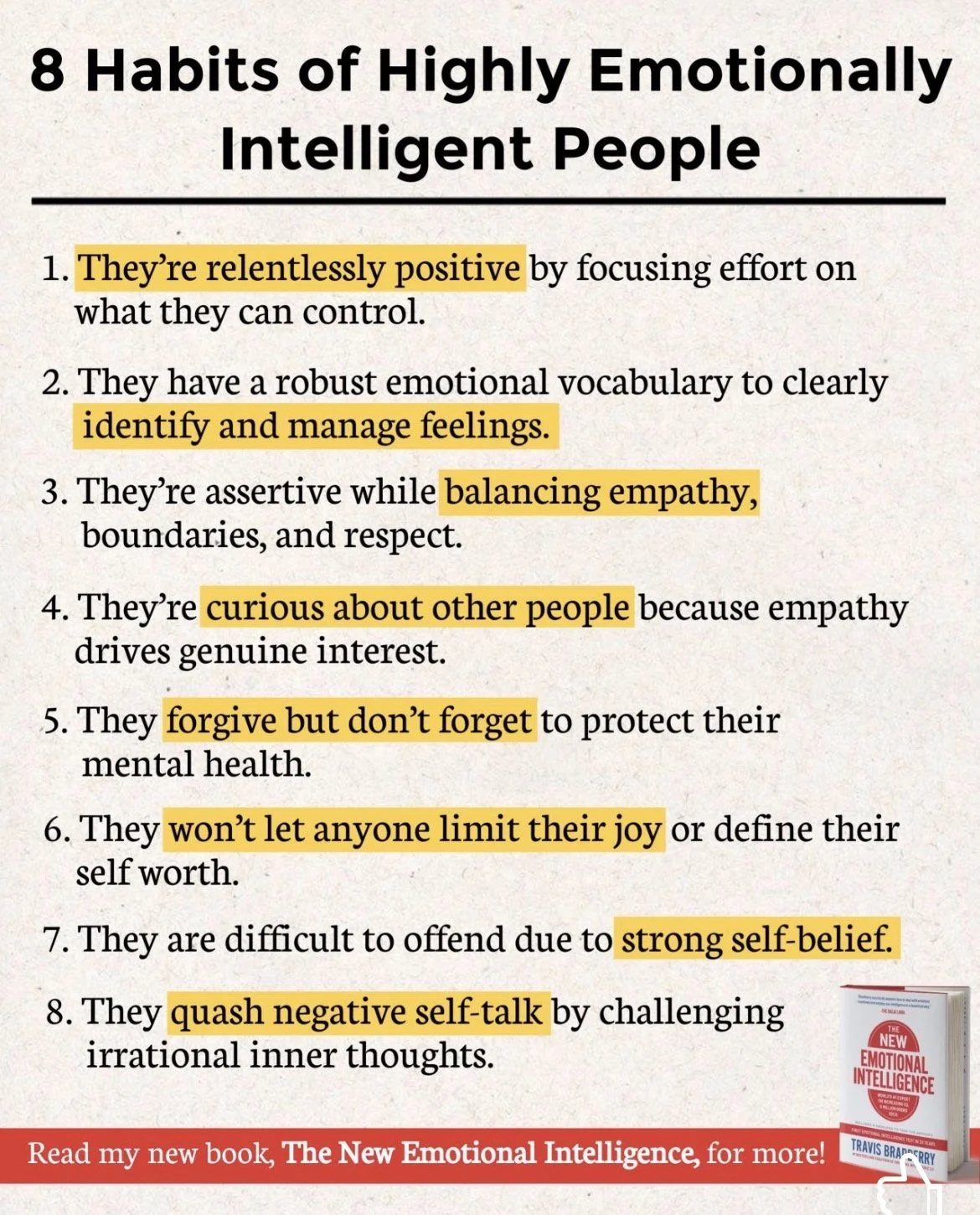
Variable Control: You stay "relentlessly positive" by focusing your effort strictly on what you can control. This isn't about ignoring risks; it’s about refusing to leak energy into variables outside your influence.
Semantic Precision: You maintain a "robust emotional vocabulary." In the same way you define technical requirements, you must clearly identify and manage your feelings so they don't drive your decisions.
The High-Bandwidth Interface: You are "assertive while balancing empathy, boundaries, and respect." This creates a stable, high-trust environment where your cohort and direct reports know exactly what to expect from your presence.
The Biblical Blueprint for Integrity
This commitment to an audited interior is mirrored in the ancient wisdom of the Psalms. As you consider the "warrior" within you—the part of you responsible for P&L, culture-building, and sustainability—reflect on the mandate given to those who lead:
"With upright heart he shepherded them and guided them with his skillful hand." (Psalm 78:72, ESV)
Notice the sequence: the "upright heart" (the internal state) precedes the "skillful hand" (the external competency). If your internal state is compromised by negative self-talk, even the most skillful technical hand will eventually falter. You must be "difficult to offend due to strong self-belief," ensuring your leadership flows from a foundation of integrity rather than insecurity.
Executive Competencies of the Audited Mind
How does a disciplined internal state translate into the results your Board and Finance team demands? It manifests as a series of resilient executive competencies:
Composed Conflict Resolution: Because you "quash negative self-talk" and irrational thoughts, you remain the steadying force in a heated room.
Clearer Communication: Your words carry weight because they aren't diluted by the need to defend your self-worth; you refuse to let external clamor "define your self-worth."
Profound Resilience: You "forgive but don't forget" to protect your own mental health and strategic focus, allowing you to sustain your energy over the long term.
A Consultation of the Self
As you look toward the challenges of the coming quarter, remember that your external results are the trailing indicators of your internal stewardship. You have the agency to debug your narrative and "won't let anyone limit your joy."
How will you audit your internal architecture today? Are you prepared to lead with the "upright heart" that your mission requires?