

BLOG POSTS
The Architecture of Quietude: Auditing the Executive Soul

When the stakes are high and the room goes quiet, here’s something worth pondering: What does your internal monologue sound like in that moment? Is it steady and grounded—or busy, calculating, and afraid of what might slip through your fingers?
In the middle of a high‑pressure initiative, it’s easy to get wrapped up in the mechanics—P&L swings, operating metrics, client dynamics, delivery timelines. Those things matter. But beneath all of that is something more fundamental: who you are being internally while all of this is happening.
Marcus Aurelius once asked a question that still lands hard today:
“What are you afraid of losing, when nothing in the world actually belongs to you?”
That idea isn’t about disengagement or indifference. It’s about ownership versus stewardship.
If you see your role, your team, and even your results as possessions to protect, anxiety is almost guaranteed. But if you see them as a trust you’ve been asked to steward well, something shifts. The internal posture moves from fear to responsibility—from tension to quiet authority.
Your Internal Narrative Is the Blueprint
The conversation you have with yourself is the foundation of your executive presence. It determines whether people experience calm leadership or reactive management when you walk into the room.
Something else worth asking: When you listen closely to that internal narrative, do you hear the voice of a disciplined steward—or someone feeling pushed around by circumstances?
There’s a line from Proverbs that has followed me for years:
“Keep your heart with all vigilance, for from it flow the springs of life.” (Proverbs 4:23, ESV)
In leadership terms, those “springs” are the clarity, steadiness, and integrity you bring into every interaction. If the source is cluttered with fear—fear of loss, fear of being wrong, fear of slipping status—then the output will reflect it.
Sometimes the most meaningful impact we have on a team isn’t our technical expertise or our grasp of the operating cycle. It’s the discipline of remaining composed when things get uncomfortable.
Cultivating the Warrior Within
I think it helps to reframe leadership here. Leadership isn’t a machine you maintain. It’s more like a garden you cultivate. Processes, systems, and metrics matter—but they’re secondary. The vitality of the steward comes first. When you focus on what’s happening inside, you’re building durability, not just output.
That inner discipline shows up in very practical ways:
Clearer communication - When you’re not worried about “losing” an argument, you can listen long enough to hear what’s true.
Composed conflict resolution - When your identity isn’t tied to being right, you can guide the group toward the best answer—not just your answer.
Better stewardship over time - When the enterprise is a trust instead of a trophy, decisions naturally shift from short‑term survival to long‑term sustainability.
This is where quiet strength pays dividends.
A Moment of Self‑Consultation
As you look toward the next quarter, it’s worth pausing—not to review metrics, but to ask a deeper question: Is my leadership built on temporary gains, or on an unshakeable internal state?
The outcomes we see—team trust, peer respect, financial health—are often lagging indicators. They reflect the person we are becoming when no one is watching. And if nothing in this world truly belongs to us, then something freeing happens.
We’re less afraid.
We’re more grounded.
We lead with confidence that isn’t brittle.
That’s the kind of stewardship organizations quietly rely on—and the kind of leadership worth cultivating.
The Internal Anchor: Navigating the Danger of False Knowledge
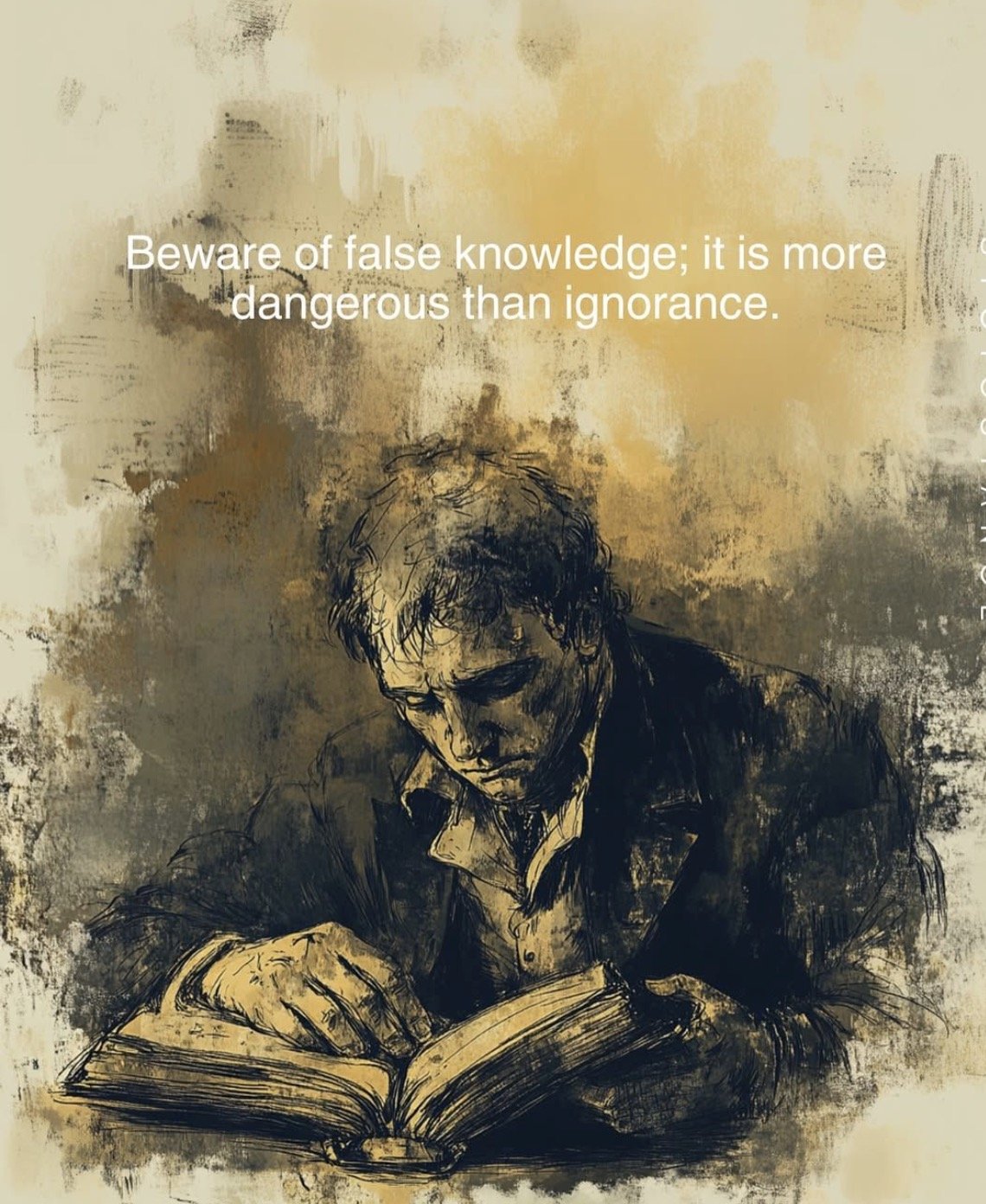
Image courtesy of LinkedIn Profile, Stoic Wisdom
In the quiet hours after a difficult meeting or a complex organizational shift, do you ever audit the reliability of your internal data? Do you possess the strategic humility to distinguish between what you truly know and the "false knowledge" that often masquerades as professional certainty?
The Hazard of the Unearned Narrative
As a leader responsible for people and stability, you understand the risk of an unreliable plan. Yet, have you considered that the most dangerous liability in your organization is not a flawed strategy, but the internal narrative of false knowledge? It is a professional mirage—the conviction that we understand a complex situation better than we actually do.
This brings us to a strategic trap known as the Dunning-Kruger Effect. It is the cognitive bias where individuals with limited competence in a specific area overestimate their abilities, precisely because they lack the internal perspective to recognize their own deficiencies. In a high-stakes environment, this isn't just a personal blind spot; it is a systemic risk to the health of your team.
The Biblical Blueprint for Intellectual Stewardship
The stewardship of truth is an "internal-out" discipline that requires constant vigilance. The Book of Proverbs provides a definitive diagnostic for the leader navigating these intellectual waters:
"The way of a fool is right in his own eyes, but a wise man listens to advice." (Proverbs 12:15, ESV)
To protect your organization from the ripple effects of false knowledge, you must be a leader who sets the truth—and sound counsel—always before you. This means being "difficult to offend" when a peer or mentor offers a correction. A weak man views the truth as an indictment of his worth; a strong man views the truth as the necessary guidance required to secure his mission.
Executive Competencies: Guarding the Baseline
How do you develop the internal strength to guard against the trap of overconfidence? It requires the cultivation of specific, merit-based habits that define your professional conduct:
Robust Emotional Precision: You must "clearly identify and manage feelings" of defensiveness. When your internal narrative feels threatened by new data, do you have the vocabulary to classify that feeling as a "warning light" rather than a directive?
The Discipline of Curiosity: High-performing leaders are "curious about other people" and their insights. Empathy drives a genuine interest in finding the truth, rather than merely being "right" in your own eyes.
Quashing the Irrational: You must proactively "quash negative self-talk" and "challenge irrational inner thoughts" that whisper you have nothing left to learn. True authority is found in the willingness to remain a learner.
A Consultation of the Self
As you prepare for the next phase of the year, take a moment to audit your internal baseline. Is your leadership currently anchored in the bedrock of merit and verified knowledge, or are you resting on the shifting sands of a professional title?
"Beware of false knowledge; it is more dangerous than ignorance." Ignorance can be cured with a mentor, but false knowledge is an anchor that prevents you from reaching your true potential. How will you inspect your leadership infrastructure today? Will you be the wise leader who listens to advice, or the one who remains right only in his own eyes?
The Truth of the Forge: Building a Baseline for Achievement

Image courtesy of LinkedIn Profile, Stoic Wisdom
When you find yourself in the center of a high-pressure initiative, does your internal monologue prioritize the comfort of a "polite" lie, or do you have the internal fortitude to seek the clarity of a difficult truth? In the relentless environment of modern leadership, do you recognize that the friction you feel is not a system failure, but the very "heat" required to temper your professional baseline?
Stewardship of the Narrative Baseline
Whether you are overseeing an entire enterprise or managing a single critical project, your leadership is an "internal-out" discipline. You are the primary steward of your internal narrative. If you allow legacy scripts of reactive frustration or unchecked self-doubt to execute, you are effectively introducing "malware" into your leadership operating system.
A true warrior-leader builds a baseline for achievement by "quashing negative self-talk" and "challenging irrational inner thoughts." This is not about hollow positivity; it is about maintaining a "strong self-belief" that makes you "difficult to offend." When you are anchored in truth, you no longer view feedback as an attack on your worth, but as an audit of your systems.
The Blueprint of the Trusted Circle
No leader functions as a closed loop. To build a system that achieves lasting results, you must cultivate a "cohort of truth" around you. Consider the "strong man" within your own network:
The Mentor Who Corrects: Do you have a guide who values your character enough to tell you a "hard truth" rather than a "comfortable lie"?
The Cohort of Peer Pressure: Is your professional circle refining you through healthy friction, or are they merely validating your current blind spots?
The Mentee Under Your Care: Are you modeling the strength required to provide "loving correction," or are you prioritizing your own comfort over their development?
The Biblical Parallel: Wisdom in the Counsel of Strength
This commitment to seeking and speaking the truth is a timeless principle for organizational health. The Book of Proverbs reminds us of the necessity of a strong, honest circle:
"Iron sharpens iron, and one man sharpens another." (Proverbs 27:17, ESV)
Just as the sword in the forge requires both the heat of the fire and the strike of the hammer, your leadership requires the "sharpening" of honest counsel. A leader who avoids the "beating" of critical feedback will never achieve the "edge" required to lead through complexity.
Core Competencies: Leading with "Tough Kindness"
When you cultivate a disciplined internal state, your external habits shift toward a baseline of achievement that resonates across all levels of the organization:
Radical Emotional Clarity: You "have a robust emotional vocabulary to clearly identify and manage feelings," allowing you to remain the steady hand when the operation is in chaos.
Balanced Assertiveness: You are "assertive while balancing empathy, boundaries, and respect." This allows you to speak truth with kindness—a "tough kindness" that is brave enough to offer honest correction for the sake of the mission.
Relentless Positive Focus: You prioritize effort strictly on "what you can control," refusing to let external drama define your self-worth or derail your team’s progress.
A Consultation of the Self
As you prepare for the challenges of the coming week, audit your internal and external circles. Are you surrounding yourself with people who will tell you the truth, even when it is uncomfortable? And more importantly, are you cultivating the internal strength to hear it without fracturing?
Your success is not merely a reflection of your latest KPI; it is a reflection of the deep-seated integrity you bring to every interaction. Will you choose the "truth of the forge" today?
The Strategic Interior: Is Your Leadership Architecture Built for Sustainability?
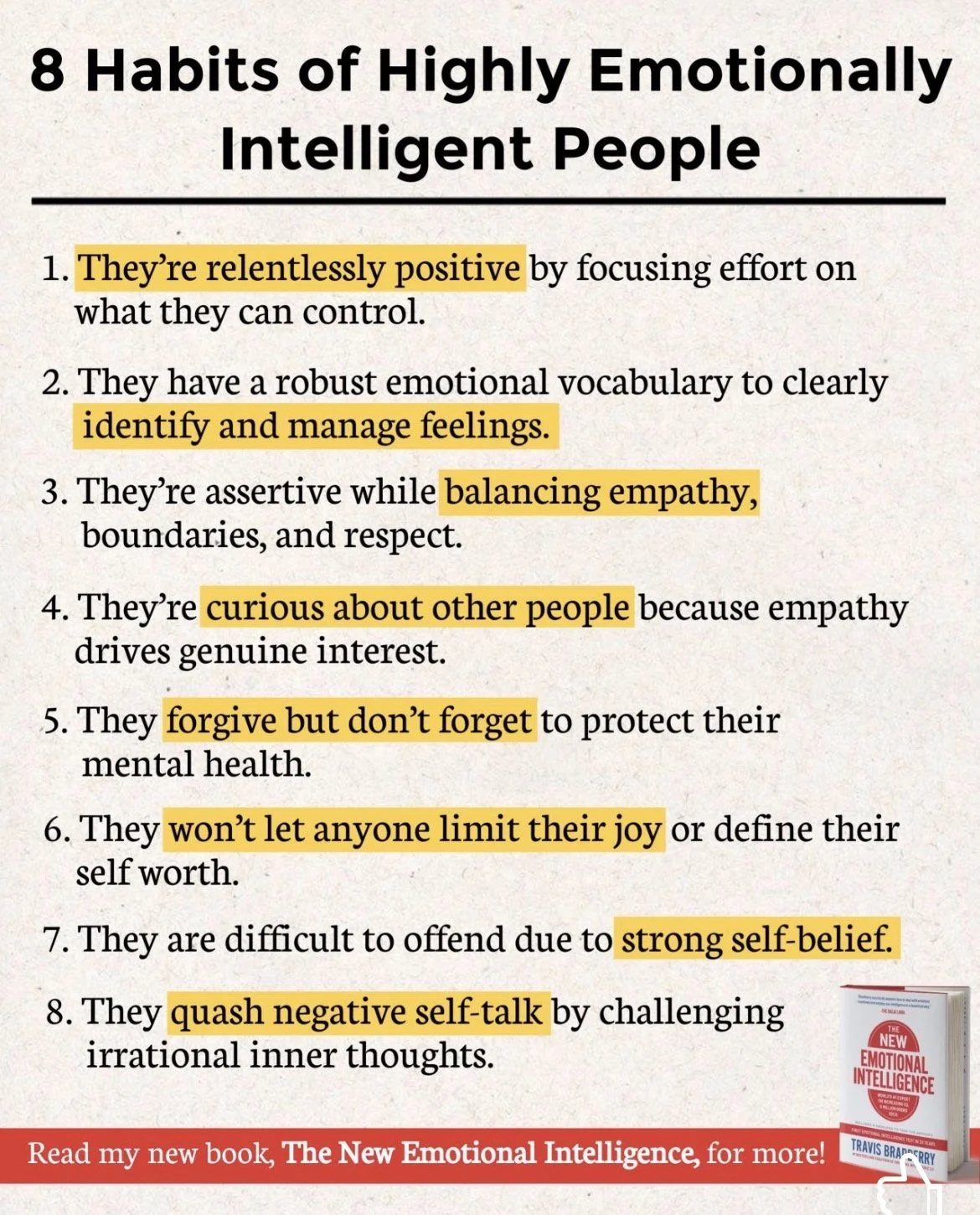
When you are navigating the high-pressure intersection of P&L responsibility and enterprise-level technical deployments, what is the quality of the "non-verbal data" you are projecting? Do you recognize the moment your internal narrative shifts from a posture of stewardship to one of reactive defense?
The Architecture of the Unseen
As an executive or high-potential contributor in the IT and Client Success sectors, you are an architect of systems. Yet, the most critical infrastructure you will ever oversee is your own internal operating system. High-level leadership is an "internal-out" discipline; you cannot cultivate vitality in your organization if your own internal narrative is cluttered with "legacy code" like irrational thoughts or unmanaged frustrations.
Stewardship of the self requires you to adopt specific, disciplined habits that protect your strategic clarity:
Variable Control: You stay "relentlessly positive" by focusing your effort strictly on what you can control. This isn't about ignoring risks; it’s about refusing to leak energy into variables outside your influence.
Semantic Precision: You maintain a "robust emotional vocabulary." In the same way you define technical requirements, you must clearly identify and manage your feelings so they don't drive your decisions.
The High-Bandwidth Interface: You are "assertive while balancing empathy, boundaries, and respect." This creates a stable, high-trust environment where your cohort and direct reports know exactly what to expect from your presence.
The Biblical Blueprint for Integrity
This commitment to an audited interior is mirrored in the ancient wisdom of the Psalms. As you consider the "warrior" within you—the part of you responsible for P&L, culture-building, and sustainability—reflect on the mandate given to those who lead:
"With upright heart he shepherded them and guided them with his skillful hand." (Psalm 78:72, ESV)
Notice the sequence: the "upright heart" (the internal state) precedes the "skillful hand" (the external competency). If your internal state is compromised by negative self-talk, even the most skillful technical hand will eventually falter. You must be "difficult to offend due to strong self-belief," ensuring your leadership flows from a foundation of integrity rather than insecurity.
Executive Competencies of the Audited Mind
How does a disciplined internal state translate into the results your Board and Finance team demands? It manifests as a series of resilient executive competencies:
Composed Conflict Resolution: Because you "quash negative self-talk" and irrational thoughts, you remain the steadying force in a heated room.
Clearer Communication: Your words carry weight because they aren't diluted by the need to defend your self-worth; you refuse to let external clamor "define your self-worth."
Profound Resilience: You "forgive but don't forget" to protect your own mental health and strategic focus, allowing you to sustain your energy over the long term.
A Consultation of the Self
As you look toward the challenges of the coming quarter, remember that your external results are the trailing indicators of your internal stewardship. You have the agency to debug your narrative and "won't let anyone limit your joy."
How will you audit your internal architecture today? Are you prepared to lead with the "upright heart" that your mission requires?
The Architect of the Internal Forge: Stewardship Beyond the Spreadsheet
When the pressure of a stalled digital transformation or a fractured client relationship mounts, do you recognize the voice directing your next move—is it the reaction of a weary manager, or the resolve of a seasoned steward?
The Internal Forge of Leadership
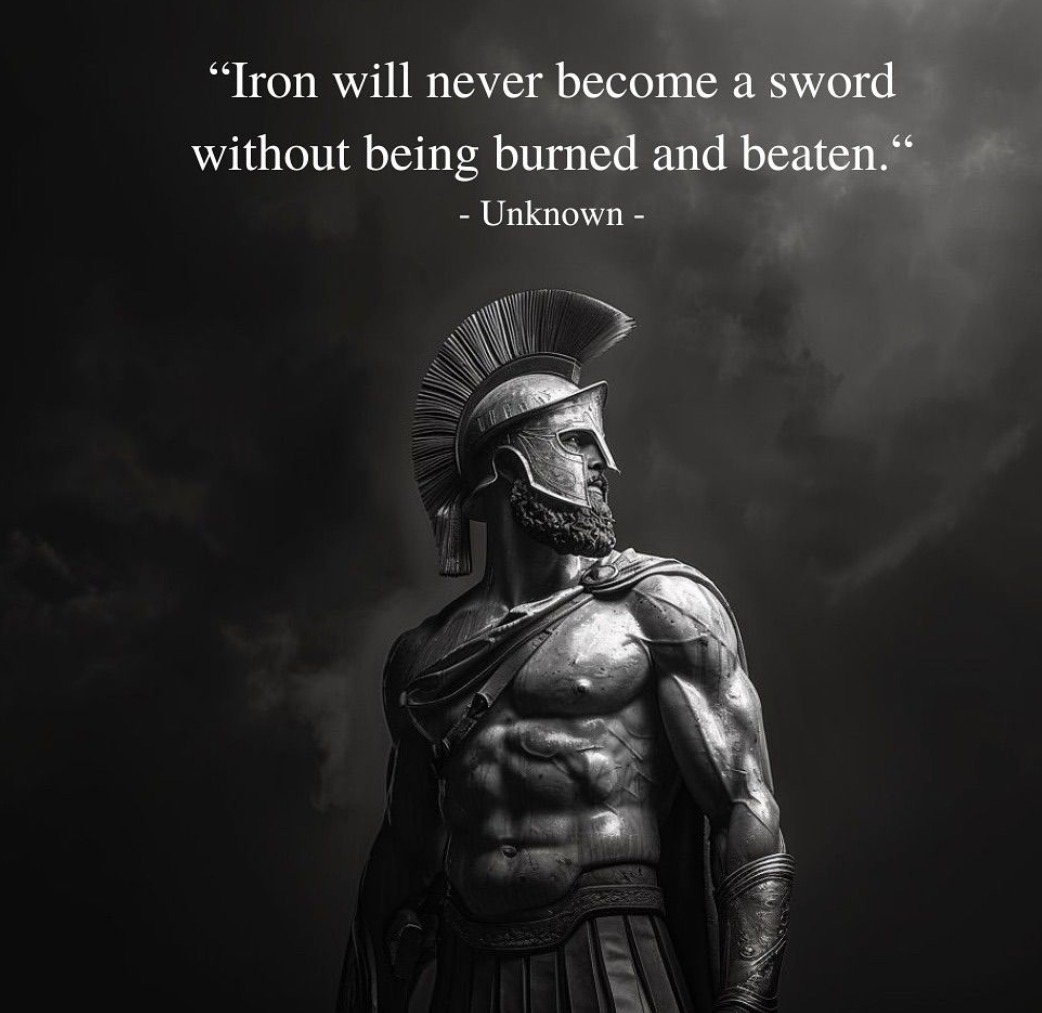
You understand that the enterprise systems you manage are only as resilient as the internal state of the person overseeing them. Consider the metaphor of the forge: just as iron requires the heat of the furnace and the strike of the hammer to achieve its purpose, your leadership capacity is often refined in the quiet, high-stakes moments that no one else sees. How are you stewarding the "burned and beaten" seasons of your career to ensure they produce a sharper strategic edge rather than a brittle spirit?
The Narrative of Stewardship
Your internal narrative is your first act of stewardship. Before you ever present a P&L to the Board or a roadmap to your direct reports, you have already decided the level of integrity you will bring to the room. In the Book of Proverbs, we are reminded of this internal priority:
"Keep your heart with all vigilance, for from it flow the springs of life." (Proverbs 4:23, ESV)
If your internal "springs"—your self-talk, your motives, and your resilience—are neglected, can you truly expect the systems you lead to remain vital? You possess the agency to audit this narrative. When you face resistance from a cohort or a financial constraint, do you view it as an obstacle to be avoided, or as the very "heat" required to temper your executive presence?
Cultivating Executive Presence
True executive presence is not a performance; it is the natural byproduct of a disciplined internal state. When you prioritize the stewardship of your own character, your external competencies shift:
Composed Conflict Resolution: You move from defensive posturing to inquisitive problem-solving.
Clear Communication: Your words carry the weight of conviction because they are rooted in an audited internal truth.
Systemic Sustainability: You begin to lead for the "ripples" of long-term impact rather than the short-term dopamine hit of a quick fix.
A Consultation of the Self
Whether you sit in the C-Suite or are a high-potential contributor aiming for that seat, your primary responsibility is the cultivation of the warrior within. Your team does not just need your technical expertise; they need the stability of a leader who has been refined by the fire and chose to emerge as a sword.
How will you audit your internal forge today? Are you preparing your spirit with the same level of precision you apply to your enterprise architecture?
Beyond the Win: Why Humility is an Essential Leadership Strategy

When you secure a major client renewal, successfully navigate a critical digital transformation milestone, or deliver a flawless business review, what is your immediate next move?
For all of us operating in the high-stakes world of Client Success and Information Technology, the operational velocity is so high that the natural impulse is often to pivot immediately to the next fire drill. Yet, there is a far more subtle and insidious challenge that can arrest even the most promising career and derail an organization faster than any market disruption: The quiet satisfaction that mistakenly believes the ultimate battle is over simply because we won a skirmish.
In a competitive environment defined by the speed of change and the gravity of technical debt, resting on yesterday's accomplishments is an act of strategic surrender. The moment we allow the ego of a recent success to cloud our perception, we introduce a vulnerability into our leadership architecture that is almost impossible to defend against.
This concept is not new, and it is certainly not limited to the boardroom or the server room. As Hall of Fame basketball coach Rick Pitino once wisely observed:
"I think a lack of humility is the greatest killer of potential, so we are not going to fall in love with ourselves just because we had a good game tonight. We understand what we're up against." (Rick Pitino)
For professionals in the IT and CSM space, this quote provides a critical operational mandate. It serves as a necessary anchor in a profession where success is both fleeting and highly visible.
The Strategic Value of Humility in Enterprise Leadership
Humility is not weakness; it is, quite simply, the clearest lens through which a professional can evaluate reality. For you, the leader or seasoned professional charting the course of an enterprise-level technology or client relationship, humility translates into three powerful strategic imperatives:
1. Humility Prevents Cognitive Surrender
Your organization needs your focus to remain outward, anticipating risk, evaluating opportunity, and steering the strategy. Pride—the opposite of humility—is entirely self-referential. It demands internal attention, focusing energy on defending past actions or basking in a momentary achievement.
When you seek to operate with humility, you're better positioned to retain a clear-eyed perspective on the sheer magnitude of the work that remains. You are forced to acknowledge the inherent complexities of client expectations, the fragility of global supply chains, and the relentless evolution of the threat landscape. This perspective ensures you remain proactive, preventing the "cognitive surrender" that leads to reactive leadership.
2. Humility Unlocks Scalable Learning
In complex, multi-functional organizations, the most reliable path to the next level of performance runs through the capacity to learn from mistakes—our own, and our teams’. A leader inflated by recent success loses the ability to ask the critical self-reflective questions: What did we miss? Where did we get lucky? How can we harden this process?
Humility is the necessary precondition for receiving genuine, unfiltered feedback. It is the understanding that your expertise, while vast, is finite. When you approach a strategic planning session or a post-mortem review with the open posture of someone who still has much to learn, you create the psychological safety required for your team to raise tough truths. This, in turn, allows for the systemic corrections and continual optimization that drive true, sustainable transformation.
3. Humility Builds Enduring Trust
Professional relationship building—both with your internal cohort and your external client base—is the bedrock of senior leadership. When an executive presents themselves as infallible, the relationship becomes transactional and brittle. It suggests that their value is entirely dependent on an unbroken chain of flawless execution.
Conversely, the leader who operates with humility is a leader of character. You demonstrate that you value honesty, self-control, and accountability over ego. By acknowledging that yesterday’s “good game” was the result of the entire team’s effort—and perhaps a measure of grace—you reinforce the integrity of your leadership. You build a deep, enduring trust that survives the inevitable setbacks and allows those you lead to fully commit their potential to the organization’s mission.
In the challenging theater of Enterprise IT and Client Success, the ultimate measure of your leadership is not the win you achieved this week, but the self-mastery you cultivate to ensure you are prepared for the opponent you face tomorrow. Remember that the journey of leadership is defined not by the accolades you collect, but by the persistent, humble commitment to becoming the servant-leader your organization needs you to be.
The Success Paradox: Leading with Purpose in 2026

We find ourselves entering the first week of March, and the pristine clarity of our January strategic plans often meets the messy reality of execution. By now, the "New Year" adrenaline has likely been replaced by the steady pressure of hitting Q1 targets. In many mid-market organizations, this is the month where we start looking at the dashboard with a bit more intensity, asking: Are we on track?
We track success, we incentivize it, and we declare it the ultimate objective. But have you ever noticed that the most genuinely successful projects and teams—the ones that stick with clients for years and fundamentally transform the business—often feel like they succeeded despite the initial metric targets, not just because of them?
In pushing toward the end of the first quarter, the relentless, direct pursuit of "success" can paradoxically lead us to miss the very opportunities that create it. It’s a pressing challenge in any scaling organization: we become so fixated on the finish line that we lose sight of the cause that got us started.
Re-calibrating Our Strategic GPS
Whether you are leading an Operations team, a Finance department, or a Client Success organization, we are all masters of metrics. We live by KPIs, P&Ls, and quarterly goals. This focus is necessary for accountability, but when success becomes the sole motivator, our strategic vision can become narrow and transactional. We end up optimizing for a number instead of optimizing for value and purpose.
Strategic leaders understand that the deepest, most resilient success—the kind that defines careers and builds enduring organizational health—is rarely achieved by aiming for it directly. It is an outcome, a consequence, of a deeper dedication.
This perspective is captured by Dr. Viktor Frankl, the Austrian neurologist and psychiatrist, in his seminal work:
"Don't aim at success - the more you aim at it and make it a target, the more you are going to miss it. For success, like happiness, cannot be pursued; it must ensue, and it only does so as the unintended side-effect of one's dedication to a cause greater than oneself, or as the by-product of one's surrender to a person other than oneself." — Viktor Frankl, Man’s Search for Meaning
The Two Pathways to Strategic Ensuement
Frankl’s insight offers two powerful pathways for senior management and their teams to shift focus from pursuing success to ensuing success as we move deeper into 2026:
1. Dedication to a Cause Greater Than Oneself: In a leadership context, the "cause" is the strategic integrity and health of the organization or the clients you serve.
For Executive Leaders: Your greater cause is the long-term stewardship of your firm’s mission. When you dedicate your team not merely to hitting a revenue number, but to solving a specific, painful problem for your industry, the success (the market share, the ROI) becomes the inevitable side effect.
For Client Success Professionals: Your cause is the fundamental, long-term strategic health of your client’s business. If you focus on being a genuine strategic partner rather than just hitting a renewal metric, the ultimate success—enduring loyalty—will naturally follow.
2. Surrender to a Person Other Than Oneself: This concept speaks directly to professional relationship building and team efficacy.
Team Stewardship: Surrender means prioritizing the development, clarity, and well-being of your high-performing team members over your personal need for credit or control. As the Bible reminds us, "Do nothing from selfish ambition or conceit, but in humility count others more significant than yourselves" (Philippians 2:3 - ESV). When you authentically surrender to the idea that your greatest success is achieved through the success of your people, the resulting performance is staggering.
The Empathy Shift: For client-facing roles, this is about true empathy—surrendering your assumptions to truly listen to a stakeholder's nuanced context. It means moving beyond a transactional supplier mindset and devoting yourself to their perspective.
The Spring Pivot
As the season begins to turn this month, it is an ideal time for a "strategic spring cleaning" of our motivations. In the complex environment where we operate, true success isn't a goal you chase; it’s a consequence you earn.
By focusing your dedication on a service-oriented purpose and building deep, trusting professional relationships, you position yourself and your teams to find success as an abundant, unintended side effect.