
The Internal Anchor: Navigating the Danger of False Knowledge
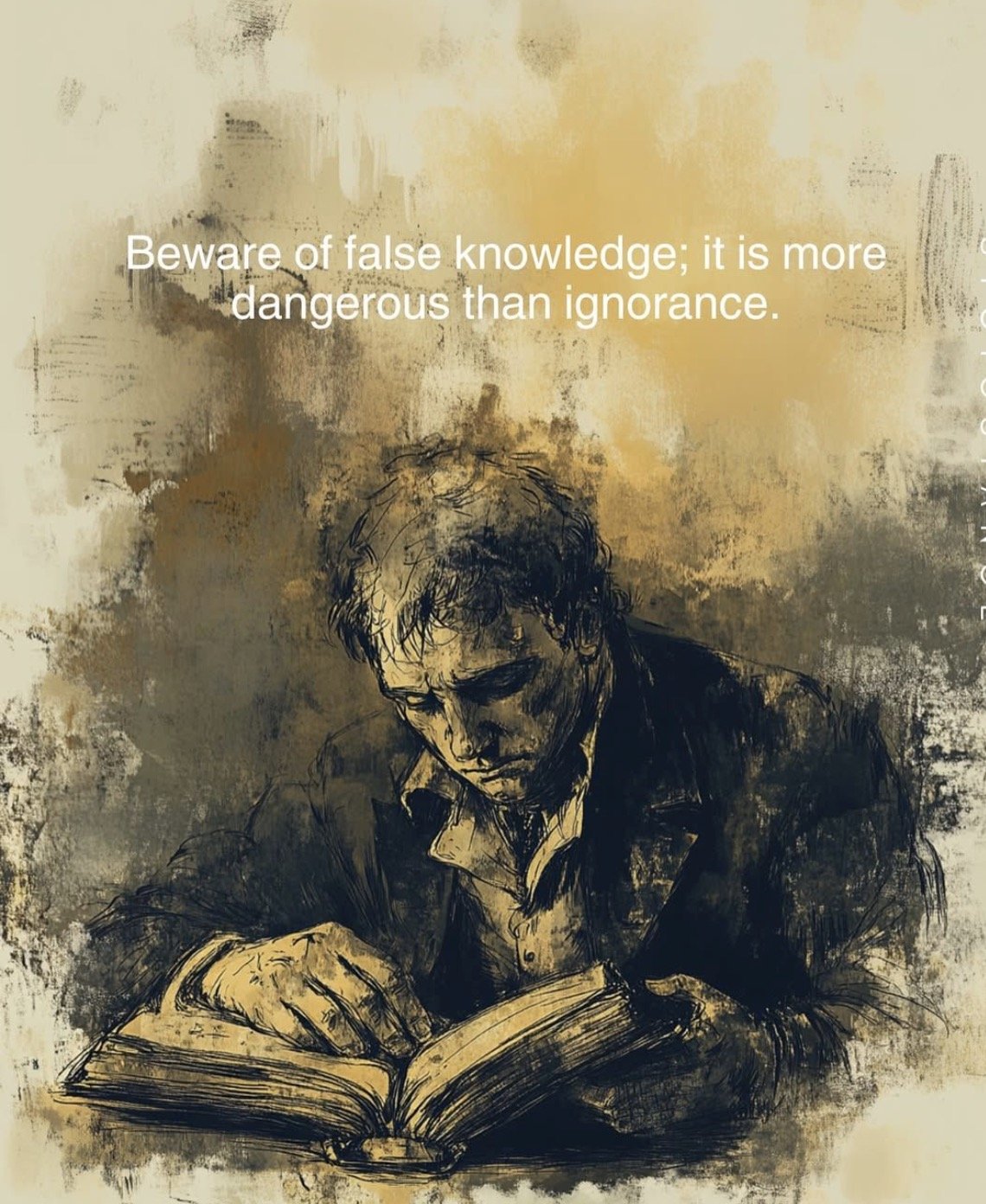
Image courtesy of LinkedIn Profile, Stoic Wisdom
In the quiet hours after a difficult meeting or a complex organizational shift, do you ever audit the reliability of your internal data? Do you possess the strategic humility to distinguish between what you truly know and the "false knowledge" that often masquerades as professional certainty?
The Hazard of the Unearned Narrative
As a leader responsible for people and stability, you understand the risk of an unreliable plan. Yet, have you considered that the most dangerous liability in your organization is not a flawed strategy, but the internal narrative of false knowledge? It is a professional mirage—the conviction that we understand a complex situation better than we actually do.
This brings us to a strategic trap known as the Dunning-Kruger Effect. It is the cognitive bias where individuals with limited competence in a specific area overestimate their abilities, precisely because they lack the internal perspective to recognize their own deficiencies. In a high-stakes environment, this isn't just a personal blind spot; it is a systemic risk to the health of your team.
The Biblical Blueprint for Intellectual Stewardship
The stewardship of truth is an "internal-out" discipline that requires constant vigilance. The Book of Proverbs provides a definitive diagnostic for the leader navigating these intellectual waters:
"The way of a fool is right in his own eyes, but a wise man listens to advice." (Proverbs 12:15, ESV)
To protect your organization from the ripple effects of false knowledge, you must be a leader who sets the truth—and sound counsel—always before you. This means being "difficult to offend" when a peer or mentor offers a correction. A weak man views the truth as an indictment of his worth; a strong man views the truth as the necessary guidance required to secure his mission.
Executive Competencies: Guarding the Baseline
How do you develop the internal strength to guard against the trap of overconfidence? It requires the cultivation of specific, merit-based habits that define your professional conduct:
Robust Emotional Precision: You must "clearly identify and manage feelings" of defensiveness. When your internal narrative feels threatened by new data, do you have the vocabulary to classify that feeling as a "warning light" rather than a directive?
The Discipline of Curiosity: High-performing leaders are "curious about other people" and their insights. Empathy drives a genuine interest in finding the truth, rather than merely being "right" in your own eyes.
Quashing the Irrational: You must proactively "quash negative self-talk" and "challenge irrational inner thoughts" that whisper you have nothing left to learn. True authority is found in the willingness to remain a learner.
A Consultation of the Self
As you prepare for the next phase of the year, take a moment to audit your internal baseline. Is your leadership currently anchored in the bedrock of merit and verified knowledge, or are you resting on the shifting sands of a professional title?
"Beware of false knowledge; it is more dangerous than ignorance." Ignorance can be cured with a mentor, but false knowledge is an anchor that prevents you from reaching your true potential. How will you inspect your leadership infrastructure today? Will you be the wise leader who listens to advice, or the one who remains right only in his own eyes?