

BLOG POSTS
The Science of Succeeding with People: From Inception to Influence

It’s been a while since I shared my thoughts on a book I've read, but I recently picked up one that truly captivated me. After listening to a great podcast conversation between Dr. Jordan B. Peterson and Vanessa Van Edwards, I was inspired to read her book, Captivate: The Science of Succeeding with People. This post is a reflection on what I gained from that reading experience and the three key takeaways that have stuck with me the most. I’ll be sharing more about her other book, Cues, in a future post.
Have you ever left a conversation feeling like you just missed the mark? Or struggled to understand what was really motivating a difficult colleague or team member? Social dynamics can feel like a complex puzzle, but what if you could learn to read the room and communicate with purpose? One of the biggest lessons I took from this book is that social success isn’t a magical, inborn talent; it’s a science. By understanding a few core principles, you can begin to navigate conversations and relationships with greater confidence and influence.
Takeaway 1: Your Ability to Connect Begins with Reading People
One of the most powerful concepts I encountered was the idea of using the Big 5 personality traits as a framework for understanding others. The book opened my eyes to how much my ability to connect with someone improves when I can observe what makes them tick. I've found it incredibly helpful to consider these five areas when I meet someone new or engage with a team member:
Openness: Are they open to new ideas, abstract concepts, and unconventional thinking, or do they prefer tradition and concrete facts? Adjusting your pitch accordingly can make all the difference.
Conscientiousness: Do they value structure, order, and detailed plans, or are they more spontaneous and flexible? Now, I recognize that a highly conscientious person will appreciate a well-organized presentation much more than someone who is not.
Extroversion: Do they get energy from being around others? Do they enjoy lively group discussions and thrive in the spotlight, or do they prefer quiet, one-on-one interactions? This helps me choose the right setting for a conversation.
Agreeableness: How much do they prioritize harmony and cooperation? I've learned that someone who is highly agreeable will be more receptive to proposals that benefit the whole team.
Neuroticism: Do they tend to worry, stress, or experience emotional instability? Understanding this trait has helped me approach sensitive topics with greater care and empathy, providing a sense of stability.
By observing these tendencies, you can move from guessing what people need to genuinely understanding them.
Takeaway 2: Your Belief is a Superpower
As a leader, your perception of others isn’t just a passive observation; it’s a powerful tool. The concept of the Pygmalion Effect was a huge "aha" moment for me. The book explains this scientific principle: when you hold a strong, positive belief in someone’s potential, that belief can actually influence their performance. When you expect great things from a team member, you subconsciously provide them with more opportunities, better feedback, and increased support. They, in turn, feel a sense of confidence and rise to meet your high expectations. I've realized that I'm not just seeing their potential; I'm actively helping them realize it.
What belief are you currently holding about a team member, and how might it be impacting their performance?
Takeaway 3: A Simple Framework for Difficult Conversations
One of the most practical tools I took away was a simple, three-step framework for handling difficult conversations, which Vanessa Van Edwards calls the NUT Job:
N - Name the Emotion: I've started practicing this. First, you name what the other person is feeling. Phrases like, "It sounds like you're feeling frustrated," or "I sense you're concerned about this," can show you are listening and help de-escalate the situation.
U - Understand What They Want: Next, you work to understand what the person is really seeking. Behind the anger or frustration is usually a need for control, validation, or certainty. Asking questions helps get to the root of their request.
T - Transform: Finally, you transform the situation by offering what they actually need. If they are seeking control, offer them a choice. If they need validation, acknowledge their concern. This shifts the dynamic from a conflict to a collaborative effort to find a solution.
This is just a glimpse into the science of human connection. The ideas presented here are based on decades of research and are just a few of the many powerful lessons I took away from reading Captivate: The Science of Succeeding with People. If you're ready to master your social interactions and become a more influential and authentic leader, I highly recommend picking up a copy and discovering how to truly connect with everyone you meet.
The Unseen Currency of Leadership: Know, Like, and Trust
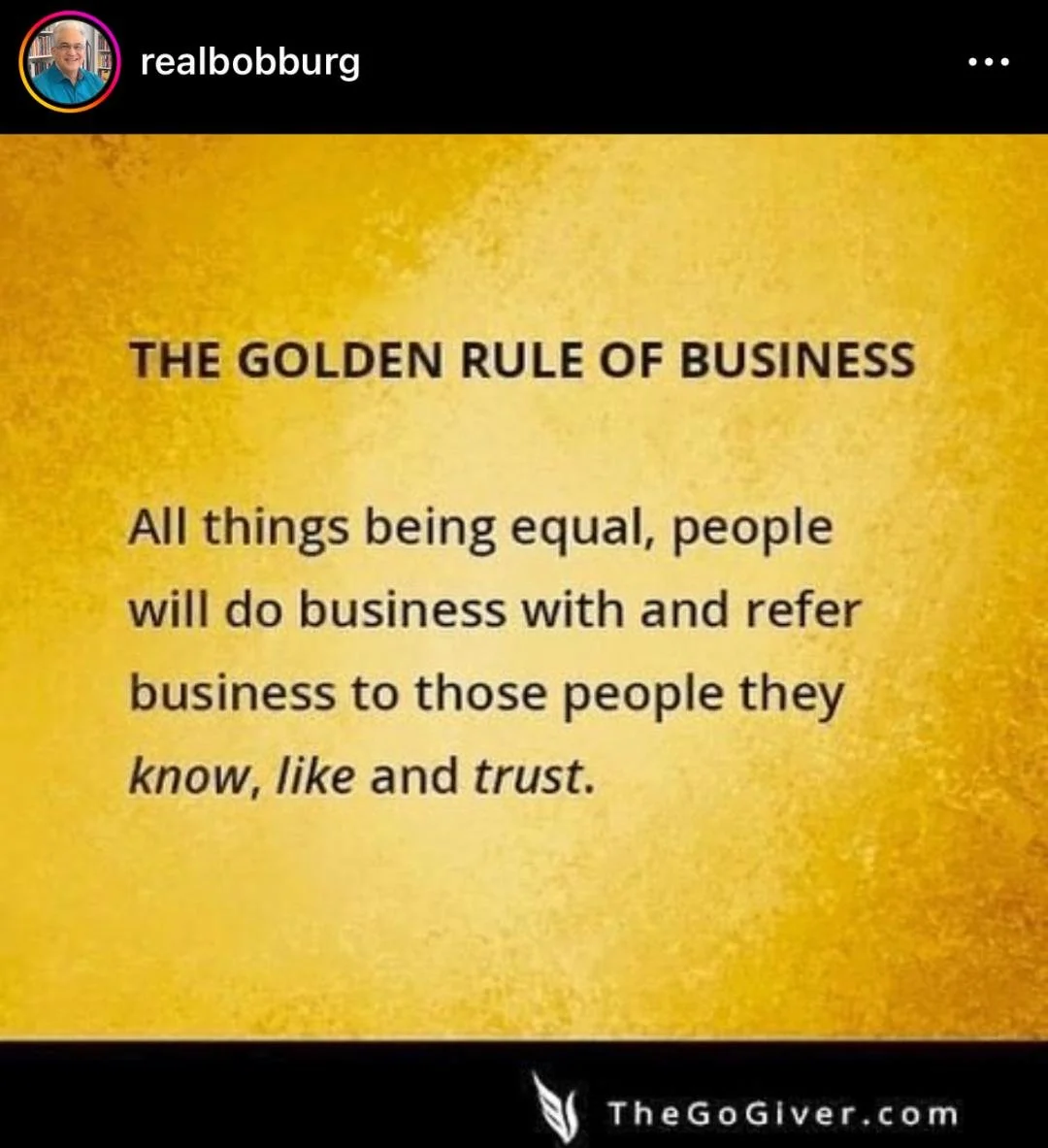
In the modern business landscape, do you find yourself focusing on metrics, market share, and technological innovation as the ultimate measures of success? Yet, beneath the surface of every groundbreaking deal, every successful project, and every career ascent lies a more enduring and powerful currency: the strength of human relationships. As this timeless principle suggests, "All things being equal, people will do business with and refer business to those they know, like, and trust." For senior-level professionals, this isn't a quaint business maxim—it is the very foundation of your strategic influence and sustained success, and it is the key to building a career of true significance.
The first two pillars, knowing and liking, are often the entry point. To be known is to have a presence—to be visible, to build a reputation for competence, and to make your expertise apparent. This isn't about passive observation; it is about deliberate engagement and active contribution. Liking, however, goes deeper. It's about shared values, authentic interactions, and a genuine rapport that transcends a purely transactional relationship. It's the moment when a professional colleague becomes a trusted confidant, when a client feels you are truly a partner, and when your team feels you are an advocate for their success.
The third pillar, trust, is the ultimate differentiator. Trust is built through consistency, integrity, and proven competence. It's the result of doing what you say you will do, of making sound decisions even when they are unpopular, and of demonstrating unwavering reliability over time. When you are trusted, you move beyond the confines of your formal title. You become a go-to advisor, a valuable asset, and a magnet for opportunity. In an environment where products and services can feel like commodities, trust is the competitive advantage that cannot be easily replicated. It reduces friction, accelerates decision-making, and creates a virtuous cycle of collaboration and referral.
How do you actively build trust, and what would your colleagues say about your consistency and integrity?
For senior leaders or seasoned individual contributors, this principle must be an active part of your strategy. This means moving beyond networking for the sake of networking. It means investing time in building bridges between departments, mentoring rising talent, and truly understanding the needs of your clients and colleagues. It is a commitment to cultivating a personal brand built not on what you do, but on who you are. This isn't about being a people-pleaser; it is about being a people-builder—someone who uplifts others and earns their respect and loyalty through genuine connection.
In what ways are you actively investing in others to cultivate your personal brand as a "people-builder"?
Ultimately, the ability to build and sustain genuine relationships based on knowing, liking, and trusting is a non-technical skill that will outlast any technological trend or market shift. In a world of increasing automation and rapid change, human connection remains irreplaceable. Success can be measured in titles and earnings, but significance is measured by the impact you have on the lives and careers of others. By mastering the art of building these strategic relationships, you solidify your influence, secure your professional reputation, and, most importantly, create a legacy that extends far beyond the bottom line.
The Toughest Opponent is in the Mirror
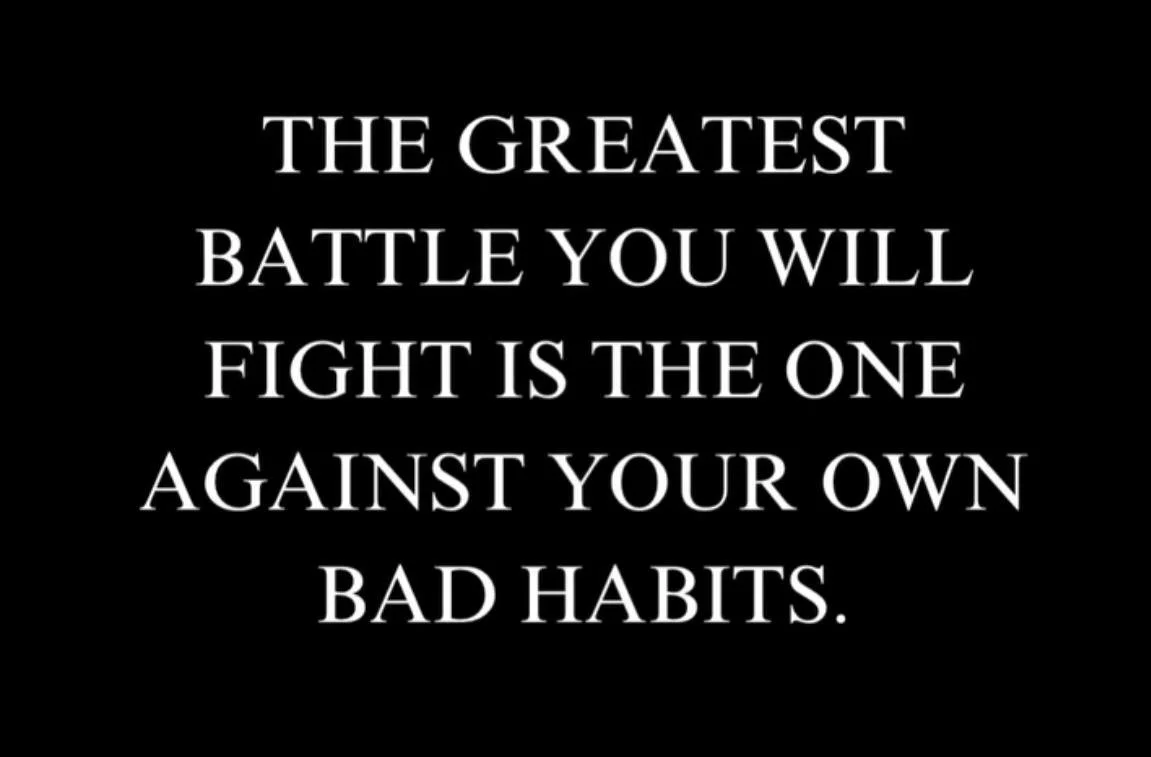
In a world defined by constant disruption and competitive pressures, do you often find yourself looking outward for the next great challenge? You strategize to outmaneuver a rival, innovate to capture market share, or build a team to tackle a monumental project. Yet, what if the most formidable and consequential battle you will ever face is not found in the marketplace, but within yourself? What if it's the quiet, persistent war against your own bad habits? For senior professionals—whether you are an individual contributor or a leader—recognizing this truth is the first step toward unlocking a new level of strategic influence and personal growth.
These habits aren't always grand, dramatic flaws. They are often subtle, deeply ingrained patterns that have served you in the past but now hinder your progress. Could it be the reliance on reactive decision-making instead of proactive planning? The habit of micromanagement that stifles your team’s autonomy? Or the unconscious tendency to avoid difficult conversations? You can spend a career refining external skills and mastering technical competencies, only to be held back by an internal inertia. The true test of a senior professional is not just your ability to solve external problems, but your capacity for radical self-awareness and the courage to confront the behaviors that no longer serve you.
For a leader, this internal battle has an amplified effect. Your habits—good or bad—become the cultural norms of your team. A leader who consistently operates in a reactive mode trains those they lead to live in a state of crisis. A leader who fails to delegate effectively communicates a lack of trust, which erodes morale and limits the growth of those in their care. The discipline to break a bad habit is a powerful, non-verbal message to your team. It demonstrates vulnerability, a commitment to continuous improvement, and the accountability that is a hallmark of truly effective leadership. By modeling this behavior, you not only improve yourself but also create a safe environment where your team members feel empowered to undertake their own journeys for self-improvement.
What habits are you modeling for your team right now, and what message are they sending?
Conquering these habits requires more than mere willpower; it demands a strategic approach. It starts with a clear-eyed assessment of the behaviors that are undermining your effectiveness. This might mean inviting honest feedback, journaling to identify patterns, or simply dedicating time to quiet reflection. The next step is to create a new system, not just a new resolution. Rather than simply resolving to "stop procrastinating," what if you built a system of structured work blocks with incremental steps and clear breaks? Instead of vowing to "be a better communicator," what if you scheduled dedicated one-on-one time with your team where the only goal is open dialogue? Small, consistent actions build new neural pathways that eventually replace the old, limiting habits.
What system could you create this week to begin replacing one of your old habits?
Ultimately, the fight against your own bad habits is not a one-time event but a continuous process of self-refinement. In a fast-paced business environment, the ability to adapt is a prerequisite for success. This adaptability begins with the willingness to adapt yourself—to discard the comfortable but ineffective habits of the past and embrace a new way of operating. It's a journey that builds resilience, hones judgment, and solidifies your reputation as a leader who not only guides others but is also in command of themselves.
Loving Your Enemy: The Path to Loving Yourself

When you look in the mirror, do you see a friend or a foe? Do you sometimes feel like you are your own worst enemy? If you're anything like me, in the relentless pursuit of career excellence, a common struggle is battling a persistent internal critic. This "enemy within" whispers doubts, magnifies flaws, and pushes you to believe you aren't doing enough. It's a voice you would never tolerate from a friend or colleague, yet you often give it free rein in your own mind. To overcome this, you must find and extend to yourself a profound act of self-compassion.
I was recently inspired by a post from @astoicsfeed on Instagram, which shared a poignant reinterpretation of a famous quote from The Bible: "And God said, 'Love Your Enemy,' and I obeyed him and loved myself." This isn't a sign of weakness, but an essential act of strength that allows you to lead from a place of resilience and clarity. This is also not a soft, fluffy love that lacks courage. Sometimes, this love needs to be tough, instill discipline, and focus on long-term rewards, success, and significance.
Consider how you would treat a close friend. If they were facing a challenge, you would offer encouragement, not condemnation. You would listen with empathy, not with judgment. And if they were lying to themselves, you would not tolerate it; you would help them see the truth, even if it's hard. Yet, you often deny yourself this same basic kindness. The words you speak to yourself in moments of struggle—the self-criticism and doubt—are often far harsher than what you would ever say to another person. A crucial step in personal and professional growth is to stop listening to that destructive internal voice and, instead, begin to speak to yourself with the same grace, patience, and respect you would show to someone you truly care about.
This practice of self-love extends beyond your inner dialogue; it requires you to care for yourself physically and emotionally. Just as you would provide a loved one or a cherished pet with rest, nourishment, and comfort when they are weary, you must also give yourself the same. As leaders, the temptation is to push through exhaustion, but true leadership demands a full tank. Giving yourself permission to rest and rejuvenate isn't a luxury—it's a critical investment in your long-term health, creativity, and decision-making capacity. By treating yourself with the same care you offer to those you love, you fortify yourself for the challenges ahead.
Embracing self-love isn't about giving up or standing still. It's about building the internal fortitude to persevere. As Dr. Martin Luther King Jr. famously said, "If you can't fly then run, if you can't run then walk, if you can't walk then crawl, but by all means keep moving." This powerful call to action isn't just about external effort; it is a profound lesson in self-acceptance. It reminds you that progress, in any form, is what matters most. By silencing your inner enemy and tending to your own well-being, you don't just endure the journey—you make it a sustainable, purposeful path forward, built on a foundation of self-worth.
Beyond the Past: Choosing Who You Become
When was the last time you faced a pivotal moment or challenge that left you contemplating your life choices and unsure of your next steps? If you’ve pursued excellence for any length of time, you have likely experienced several of these. They can stem from unexpected setbacks, such as a project's failure, a difficult reorganization, or a significant challenge that impacts your professional or personal life.
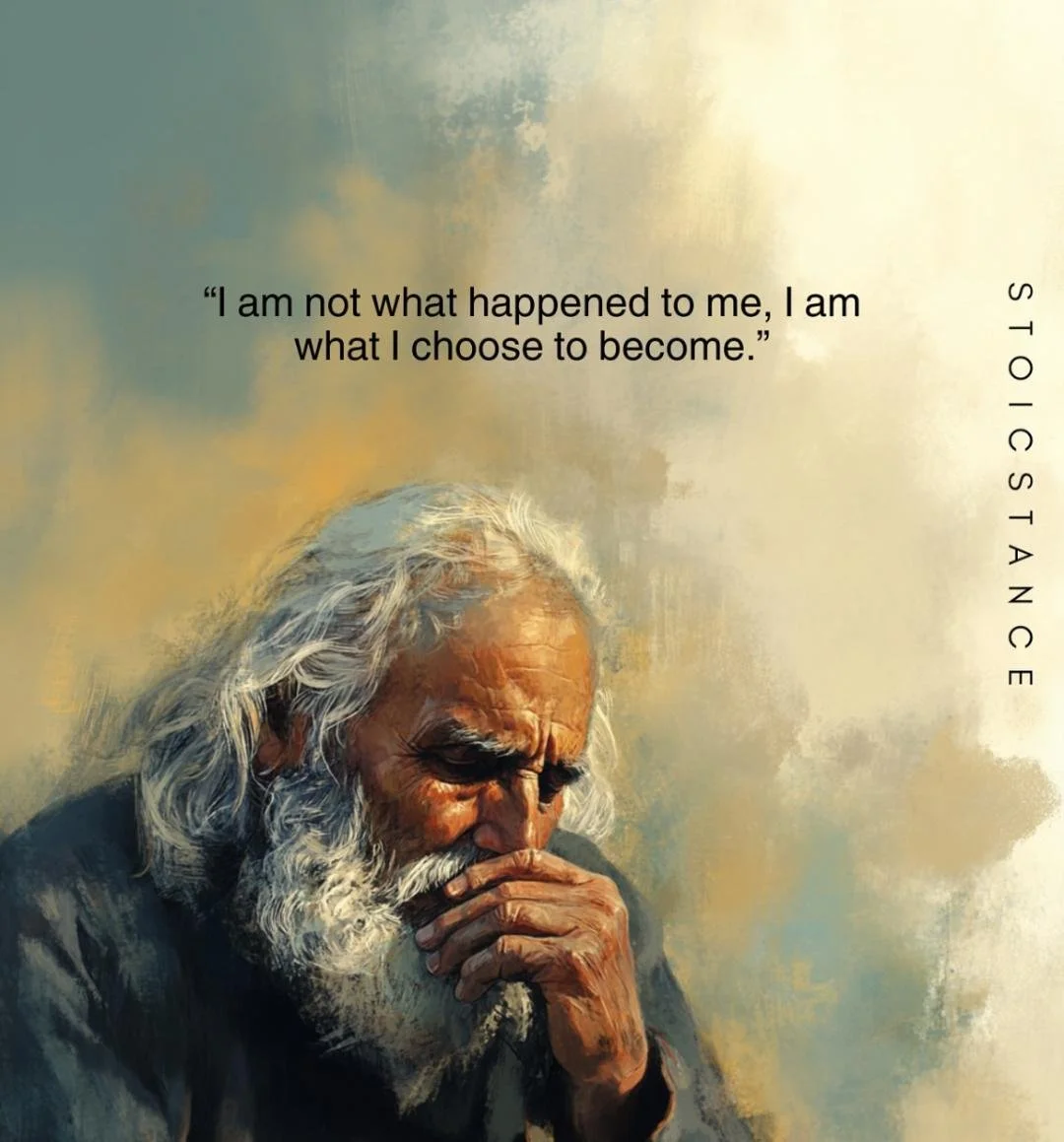
It's in these moments that you face a critical choice: do you allow what happened to you to define who you are, or do you use it as a foundation for who you choose to become? This distinction is the bedrock of true leadership and enduring professional and personal significance. As the STOICSTANCE account on Instagram so aptly puts it, "You are not what happened to you; you are what you choose to become."
The temptation is strong to get caught up in the "could have, should have, would have" thoughts. However, the power of this mindset lies in its profound reframing of your identity. It shifts your perspective from one of a passive recipient of circumstance to one of an agent. It acknowledges that pain, disappointment, and failure are real and impactful, but it refuses to grant them the final say in your story.
For a leader, this isn't just a personal mantra; it's a model of resilience that inspires an entire team, family, and community. By demonstrating setbacks are not destinations but detours, you empower those you lead to navigate their own challenges with clarity and courage.
Embracing this philosophy requires intentional, deliberate, and continuous practice. It demands that you consciously separate the facts of an event from the narrative you build around it. While this is not easy, it is about actively choosing your response, your mindset, and your next action, rather than letting the inertia of frustration or defeat guide your path. This is the difference between simply moving on from an experience and truly learning and growing from it.
Here are four deliberate choices you can make to embrace this mindset:
Confront the Narrative, Not Just the Event: Acknowledge what happened, but then consciously challenge the story you are telling yourself about it. Is it a story of failure or a story of learning?
Reframe the Setback as Data: View the difficult experience as invaluable information. What did it teach you about your strategy, your team, or your own capabilities?
Actively Define Your Next Self: Instead of waiting for a new role or opportunity to define you, proactively decide who you want to be next. What skills will you cultivate? What kind of leader will you be?
Take Deliberate Action: Based on your chosen identity, create a specific action plan. Every small step you take to pursue that plan reinforces your choice and proves that you are in control of your future.
Ultimately, the most successful and respected professionals are not those who have avoided hardship, but those who have slowed down, processed the lessons, and mastered the art of transformation. They understand that their value is not diminished by what they have endured. It is, in fact, strengthened by the choices they make in its wake. By choosing to become more than what has happened to you, you secure not only your own future but also a legacy of resilience and purpose.
The Enduring Legacy: How My Dad's Lessons Became My Leadership Foundation

Picture taken Father’s Day Weekend, June 2023
For any leader, the most profound lessons often don't come from a business school or a textbook. They are forged in the crucible of life and taught by the people who shape us most. For me, many of those lessons came from my dad, a man whose strength and character became the bedrock of my own leadership philosophy.
A while back, when I was on vacation visiting my stepson and his family in Puerto Vallarta, we were talking, and he made a comment that captured the essence of my dad's impact. He told me about how much influence I had on his life and how he saw me as an anchor for him. It was a simple statement, but it carried a profound weight. It wasn't about being perfect; it was about the legacy of being a balanced, hardworking, and strong man—a legacy that started with the man who chose to be my dad.
The Lessons of Character
My father consistently treated me as his own flesh and blood, a gift that forged my earliest and most cherished memories. He didn't have to adopt me and raise me as his son, but he did it anyway. His decision was a living testament to a truth I carry with me every day: true family is built on love, not just on blood. This is a powerful lesson for any leader. It taught me that genuine leadership isn’t about a title or a hierarchy; it’s about a choice—the choice to invest in people as if they are your own, to see their potential, and to commit to their success.
My dad also taught me practical, invaluable skills that went beyond the surface. He taught me to hunt, to fish, and to work on my own vehicles and home. But beneath these practical lessons was a deeper truth about resilience and self-reliance. I learned how to work hard and to be the hardest worker on the job, a quality that is now a core part of my professional identity.
Overcoming Fear, Building Trust
Perhaps the most important lesson I learned was about overcoming fear. I vividly remember the persistence he showed me while teaching me to waterski. It took me a long time to get past my fear, but his patience and encouragement paid off. In my life, and in my career, I've seen this lesson play out countless times. As a leader, it's my job to help others overcome their fears—the fear of a new project, the fear of failure, or the fear of a difficult conversation. It’s not about forcing people past their limits but about providing the steady, persistent support that allows them to find their own courage.
My dad’s legacy is not just about the man he raised; it's about the legacy that I am now passing on to my own children. The balanced, hardworking, and strong man he molded me into is the same foundation I’ve been able to give my three kids. This is the ultimate measure of success for any leader: not just to achieve your own goals, but to empower others with the tools, values, and character to achieve theirs.
In a world that often values success over significance, my dad’s influence reminds me that the most enduring legacy is the one we build in the lives of others. It’s the quiet, consistent effort we make every day that truly leaves a lasting impact on our family, our coworkers, and our friends.
Productive Disagreement in Leadership

When I first heard about this idea, it seemed counterintuitive. After reading more about it, I understand better. One of the most significant indicators of a high-performing senior leadership team is its ability to engage in healthy and sometimes robust disagreement. I have witnessed several times where disagreement is seen as a sign of conflict or dysfunction, and when improperly handled, it can be a significant distraction. However, when appropriately led and directed, it becomes a powerful tool for growth, innovation, and stronger decision-making.
Why Disagreement is Essential
Diverse Perspectives: We are all individuals. That does not change when someone becomes part of a Senior leadership team. We each come from different backgrounds, areas of expertise, and we hold unique points of view. When these diverse perspectives are shared openly and challenged constructively, it leads to a deeper and more comprehensive understanding of complex issues.
Avoiding Groupthink: "Groupthink" is a phenomenon where harmony overrides realistic appraisal of alternatives, and healthy disagreement helps teams avoid this. I have heard stories of leaders who will tell their team members, when discussing an idea, that they must come up with ways to poke holes in that idea, to figure out the weaknesses. This helps force people away from uniformity and groupthink. When team members feel safe to express dissenting opinions, it prevents the team from blindly following the most dominant voice or the path of least resistance.
Uncovering Hidden Assumptions: Disagreement often forces individuals to articulate their reasoning and justify their positions. It helps with working through emotional ties to decisions and fleshing out the facts and logic behind why things are done a certain way. This process can also uncover hidden assumptions or biases that might otherwise go unchallenged. Getting past these hidden assumptions is key to leading to better-informed decisions.
Stimulating Innovation: When different ideas collide, it can spark creativity and innovation. Well-navigated disagreement leads to the synthesis of new and better solutions, which likely would not have emerged from a more harmonious discussion.
Building Trust: When disagreement is handled respectfully and constructively, it strengthens trust within the team. It demonstrates that team members value each other's opinions and are committed to finding the best solution, even if that requires challenging each other's thinking. To read more about the value of trust in leadership, check out my previous post, “The Value of Trust in Leadership”.
Creating a Culture of Constructive Disagreement
Psychological Safety: Team members must feel comfortable expressing their opinions, in the appropriate settings, without fear of retribution, judgment, or termination. Senior leaders need to actively foster this kind of corporate environment within their teams.
Respectful Communication: This disagreement should always be respectful. Leadership team members need to focus on challenging ideas and avoid individual attacks. It also needs to be received as constructive, understanding that the end desire for all is a successful outcome and growth for the company. This sometimes requires a “thick skin”, not allowing yourself to get emotional about someone disagreeing with or poking holes in your ideas. Active listening, empathy, and open-mindedness are essential.
Focus on the Goal: Keep the main thing, the main thing. The ultimate goal of any discussion should be to arrive at the best possible outcome for the organization. Leadership team members need to be willing to set aside personal agendas and focus on the objective merits of different points of view.
Structured Dialogue: It may be helpful to establish upfront guidelines for how disagreements are to be handled. At times, this could include setting time limits for discussions, assigning roles (e.g., devil's advocate), or using techniques like structured debate. There is value in insisting that someone disagrees with the prevailing point of view.
Facilitation: In some cases, a neutral facilitator may be needed to help guide discussions and ensure that all voices are heard. This is particularly helpful when dealing with highly complex or emotionally charged issues.
The Payoff: Unity and Clarity
When senior leadership teams embrace healthy disagreement, the result is not division; rather, it builds greater unity. By allowing and carefully examining different perspectives and working through disagreements, the team arrives at a more robust and well-vetted conclusion. This process ensures that:
Decisions are Better Informed: The final decision reflects the collective wisdom of the team, incorporating diverse viewpoints and identifying some known, potential pitfalls.
Communication is Clearer: Since the team has thoroughly explored the issue, they can communicate it to the rest of the organization with greater clarity and confidence.
Buy-in is Stronger: When team members feel their voices have been heard, they are more likely to buy into the final decision and support its implementation.
Disagreement within a senior leadership team should not be feared but rather embraced as a sign of trust, intellectual rigor, and commitment to excellence. These disagreements should not be aired in front of the rest of the team, and conclusions need to be settled within the senior leadership team before being shared and a uniform approach to communication must be adopted. By fostering a culture of constructive disagreement, leaders can be better at unlocking their team's full potential and drive their organization to greater levels of success.
Critical Thinking, a “Must” in Leadership

As a leader and contributor to your own success, the ability to think critically cannot truly be thought of as a mere advantage; it's an absolute necessity. For leaders, cultivating this skill within ourselves and our teams is paramount. We need to equip ourselves and your teams to navigate complex challenges and drive sustainable success. When we take the time to think critically, it enables us to move beyond surface-level observations, delving deeper to analyze information, identify underlying assumptions, and evaluate potential solutions with discernment and deep thought. This fosters a culture where informed decisions prevail and reduces the risks associated with impulsive or emotionally driven actions.
Developing critical thinking begins with fostering intellectual curiosity. As leaders, we need to encourage a mindset of continuous learning and questioning, both personally and within our teams. This involves actively seeking perspectives from different angles, challenging conventional wisdom, and embracing the often-experienced discomfort that comes with exploring new territories. By creating an environment where open dialogue and constructive debate are valued, we stimulate intellectual growth and empower our teams to approach problems with a more analytical and insightful perspective. This bolsters problem-solving abilities and strengthens our team's capacity for innovation.
Critical thinking plays a pivotal role in strategic decision-making. As leaders, when we can ask the right questions, effectively analyze market trends, assess competitive landscapes, and anticipate potential risks, we are better equipped to guide our organizations through periods of struggle and uncertainty. We need to exercise and grow our ability to discern patterns, evaluate evidence, and make informed judgments, even when faced with incomplete or ambiguous information. By encouraging our team members and cohort to adopt a similar approach, foster a culture of proactive problem-solving and strategic foresight. This is crucial for ensuring that our organizations remain adaptable in the constant change we see in the business community.
Beyond strategic implications, critical thinking is essential for building strong, cohesive teams. When our team members are encouraged to think critically, they are more likely to engage in constructive dialogue, challenge assumptions, and collaborate effectively. This leads to a more innovative work environment where previously unconsidered perspectives are valued and incorporated into decision-making processes. This provides liberty for individuals to take ownership of their work, fostering a sense of accountability and commitment to achieving the team and organizational goals.
Ultimately, the value of developing and encouraging critical thinking extends far beyond individual performance; it permeates the entire organizational culture, it bleeds into the personal lives of those we lead. A leaders, when we prioritize critical thinking, we cultivate a team and individuals who are not only capable of solving complex problems but also driven by deep intellectual curiosity and a commitment to continuous improvement. In doing so, they create organizations, teams, and families that are not only resilient and adaptable but also poised for long-term success in an ever-changing world.
Nothing is Hard Forever: The Truth About Enduring Struggle
In this final piece of my series, "Navigating the Uncharted: Lessons from My Job Search Journey," I want to show you that struggles, strife, and difficulties will eventually come to an end. The path may not unfold as we expect, and relief rarely arrives as quickly as we'd like. But when we finally emerge on the other side, we can look back and understand the experience as "the refiner's fire." The struggle was a process, taking us from something unvarnished and raw to a more complete and resilient version of ourselves. The journey is not over, but that particular trial is behind us.
My own seven-month search for a new role ended with an exciting new opportunity at Dun & Bradstreet. Like my experience, your struggles will also culminate in a moment of triumph. With that truth as our backdrop, let's explore the core idea for today's post.
In the midst of a daunting challenge, when the pressure mounts and the finish line seems impossibly distant, an insidious lie often takes root in our minds: that the pain or struggle will go on forever. We tell ourselves it's unbearable, that the discomfort is endless, and that there's no relief in sight. But that is a lie. It's a crucial truth to internalize, both as individuals and as leaders: nothing is hard forever.
Every challenge, no matter how intimidating, has a peak. Every struggle, no matter how intense, eventually subsides or transforms. Our spirit and strength, when committed, possess an incredible capacity for adaptation and growth. This isn't naive optimism; it's a fundamental reality of perseverance.
In these moments of profound discomfort, when the "voices in our heads" are at their loudest, you are presented with a stark, yet empowering choice. Consider these three options:
You can choose to quit. The immediate pressure will ease. The discomfort will dissipate. But the desired destination will remain out of reach, the lessons unlearned, and the potential for growth unrealized. This is the path of immediate relief, but ultimately falls short of overcoming.
It gets easier. As you persist, something remarkable happens. Your skills sharpen, your understanding deepens, and the once-formidable obstacles begin to feel less disheartening. The path itself doesn't necessarily change its terrain, but your capacity to navigate it grows. What once seemed impossible becomes merely difficult, then challenging, then manageable. This is the power of consistent effort, simply taking the next step, then the next, and persistently moving forward no matter how slow.
You get harder. More accurately, you get stronger, more resilient, and more capable. The struggle builds your internal fortitude, callousing your mind and spirit in the best possible way. You become more robust, better equipped for future challenges, and more confident in your ability to endure. This is the profound transformation that only sustained effort can bring.
The Only Way You Lose:
The profound truth is this: the only way you truly lose is if you quit before seeing it through. Every moment of discomfort, every whisper of doubt, every urge to give up is a test. If you yield, the opportunity for growth, for achievement, for becoming "harder" (stronger), is lost. If you push through, if you refuse to surrender to the temporary nature of the pain, you unlock a deeper level of capability and satisfaction.
As leaders, embracing this truth is vital. We must not only internalize it for ourselves but also instill it in those we guide. When our families or teams face seemingly insurmountable obstacles, it's our role to remind them that the current difficulty is not permanent. We empower them by:
Acknowledging the struggle, but refuting the lie of permanence.
Highlighting past successes where they pushed through.
Focusing on incremental progress and the growth they are experiencing.
Modeling perseverance ourselves.
The "long way" demands tenacity, but it promises a reward that the shortcut can never deliver: the profound satisfaction of enduring, adapting, and ultimately achieving what truly matters. It's the knowledge that you faced the storm, and you emerged stronger. Because nothing, truly, is hard forever.
The Long Way is the Shortcut: Why True Progress Requires Patience

In my ongoing series, "Navigating the Uncharted: Lessons from My Job Search Journey," I continue with the lessons learned from my experience. We've explored the initial shock of the job search, the crucible of growth found in adversity, and the enduring impact of that experience. Now, we turn our attention to a powerful truth that often runs counter to popular culture: the long way is the shortcut, because the shortcut never gets you there.
This statement reveals a profound wisdom: genuine, sustainable success and deep, meaningful impact are rarely achieved through expediency. Shortcuts, by their very nature, bypass the essential processes of learning, building, and refining. They might offer temporary gains, but they inevitably lead to superficial results, missed foundational lessons, and ultimately, a failure to reach the desired destination or to sustain it if reached.
Consider this principle across various facets of life and leadership:
In Your Career and Work: The "shortcut" might tempt you to cut corners on a project, avoid difficult feedback, or seek a rapid promotion without truly mastering your current role. The "long way" involves meticulously developing skills, building genuine relationships, taking ownership of mistakes, and consistently delivering high-quality work. While the latter might seem slower, it builds a robust foundation of competence and trust that leads to lasting career progression and meaningful impact. The shortcut, in contrast, often leads to exposure, burnout, or stagnation.
In Family and Friendships: In relationships, you might desire to avoid honest conversations, neglect consistent effort, or seek immediate gratification without investing in mutual understanding and support. This can manifest in a desire to "win" an argument, teaching yourself that you are in a relationship where there must be both a “winner” and a "loser." The "long way" is showing up consistently, practicing active listening, offering unconditional support, and honestly navigating conflicts with patience and empathy. This deliberate effort builds unbreakable bonds and deep trust that no quick fix can replicate.
In Community Building: Here, "community" refers to the group of people with whom you share life experiences. Here, a "shortcut" impact might involve grand, superficial gestures and promises without genuine engagement, or implementing solutions without understanding root causes and downstream effects. The "long way" means patiently listening to the needs of those in your care, building consensus where reasonable, fostering buy-in for initiatives, and showing commitment to sustained effort over years, even decades. This slower, more deliberate approach creates a truly resilient and empowered cohort.
In Personal Growth: You might be seeking quick self-help fads or avoiding introspection. It could also be the use of anabolic steroids to quicken visible muscle gain. The "long way" is the disciplined practice of self-awareness, confronting uncomfortable truths, consistently working on your weaknesses, and embracing continuous learning and persistent work. This arduous journey leads to genuine character development and a profound understanding of self.
Why the Long Way is the True Shortcut
The "long way" is the shortcut because it:
Builds Foundational Strength: It ensures you acquire the necessary skills, knowledge, tenacity, and character traits that are indispensable for sustained success.
Cultivates Resilience: Navigating challenges, the "long way" develops the grit and adaptability needed to overcome inevitable future obstacles.
Fosters Authenticity and Trust: People recognize and value genuine effort and integrity. The long way builds credibility that shortcuts can never achieve.
Leads to Deeper Understanding: True mastery comes from grappling with complexities, not from skimming the surface.
Ensures Sustainability: What is built slowly and deliberately tends to last. Shortcuts often lead to fragile structures that collapse under pressure.
As leaders, it is our responsibility to embody this principle and instill it in those we care for and lead. We must resist the pervasive cultural pressure for instant gratification and instead champion the value of diligent, patient, and thorough work. By embracing the "long way," we not only achieve our goals more effectively but also build stronger teams, deeper relationships, and a more resilient foundation for future success. It is the only path that truly gets us there.