

BLOG POSTS
The Speed Trap: Is Hurry Compromising Your Leadership Integrity?

In the high-pressure ecosystems of Information Systems and Client Success, how often do you find yourself conflating velocity with effectiveness? When every sprint is labeled "critical" and every outage triggers an immediate escalation, do you recognize the point where your operational urgency begins to cannibalize your strategic impact?
If you were to audit your leadership infrastructure right now, what would you discover about the quality of your presence?
For the C-Suite and seasoned architects driving enterprise-level initiatives, the "tyranny of the urgent" is rarely a scheduling conflict—it is an architectural flaw. Consider the insight of John Ortberg, PhD:
"The most serious sign of hurry sickness is a diminished capacity to love. Love and hurry are fundamentally incompatible. Hurry is not a disordered schedule; it's a disordered heart."
In your world, "love" is the essential cooling system of the engine. It is the intentional care, patience, and professional conduct that regulates the heat generated by high-stakes initiatives. When your internal "heart" is disordered by hurry, you introduce a systemic friction—a thermal overload—that no amount of technical precision can override. Without this regulation, the very systems you are trying to accelerate will eventually seize.
The Diagnostic: Measuring the Cost of Internal Friction
How does a "disordered heart" manifest as measurable risk within your organization? Evaluate your current leadership state against these three strategic constraints:
1. The Erosion of Strategic Foresight
Does your current pace allow for the deep, non-urgent thought required of a Principal Engineer or VP? When your internal state is hurried, your perspective narrows to the reactive "now." You lose the capacity to observe subtle market signals or assess the non-verbal cues from your stakeholders.
The Question: Are you prioritizing the temporary "patch" over the sustainable "architecture" because your internal clock refuses to allow for patient observation?
2. The Degradation of Client and Team Trust
In Client Success, value is built on the perceived sense of partnership. When you enter a boardroom or a one-on-one with a hurried spirit, what does your impatience communicate to the person across from you? Does your lack of presence signal that they are merely an obstacle to your next objective?
The Question: Is your "hurry sickness" creating a fragile environment where teams are hesitant to bring you complex challenges because they sense you have no space to receive them?
3. The Compromise of Technical and Professional Integrity
System stability requires a steady hand. When you allow your internal operating system to be dictated by external clamor, you risk losing the self-mastery required to lead by example. Impatience is a direct threat to the diligence and integrity that define your reputation.
The Question: If your professional conduct is the "interface" through which your team accesses your wisdom, is that connection currently suffering from high latency and dropped packets?
The Strategic Pivot
The most impactful shift you can make is not an optimization of your calendar, but a recalibration of your internal state. Kindness and compassion act as the structural dampeners of leadership; they absorb the shocks of high-growth cycles and prevent the cracks of organizational burnout.
A stable, intentional leader understands that true ROI is found in the time required to be present, thoughtful, and patient. This is the bedrock upon which all technical excellence and client loyalty are built.
Are you prepared to audit your internal narrative to ensure your "heart" supports the scale of the enterprise you are building?
The Architect of the Internal Forge: Stewardship Beyond the Spreadsheet
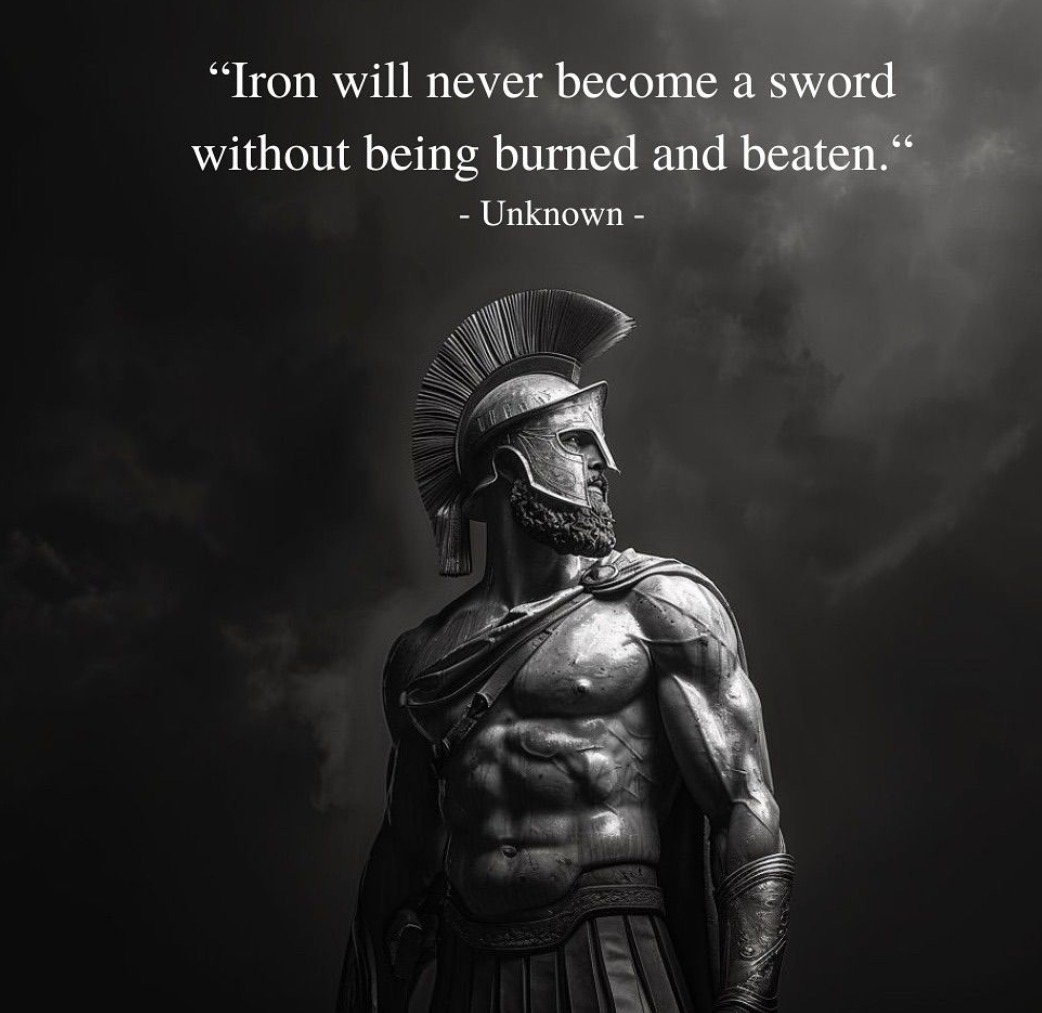
When the pressure of a stalled digital transformation or a fractured client relationship mounts, do you recognize the voice directing your next move—is it the reaction of a weary manager, or the resolve of a seasoned steward?
The Internal Forge of Leadership
You understand that the enterprise systems you manage are only as resilient as the internal state of the person overseeing them. Consider the metaphor of the forge: just as iron requires the heat of the furnace and the strike of the hammer to achieve its purpose, your leadership capacity is often refined in the quiet, high-stakes moments that no one else sees. How are you stewarding the "burned and beaten" seasons of your career to ensure they produce a sharper strategic edge rather than a brittle spirit?
The Narrative of Stewardship
Your internal narrative is your first act of stewardship. Before you ever present a P&L to the Board or a roadmap to your direct reports, you have already decided the level of integrity you will bring to the room. In the Book of Proverbs, we are reminded of this internal priority:
"Keep your heart with all vigilance, for from it flow the springs of life." (Proverbs 4:23, ESV)
If your internal "springs"—your self-talk, your motives, and your resilience—are neglected, can you truly expect the systems you lead to remain vital? You possess the agency to audit this narrative. When you face resistance from a cohort or a financial constraint, do you view it as an obstacle to be avoided, or as the very "heat" required to temper your executive presence?
Cultivating Executive Presence
True executive presence is not a performance; it is the natural byproduct of a disciplined internal state. When you prioritize the stewardship of your own character, your external competencies shift:
Composed Conflict Resolution: You move from defensive posturing to inquisitive problem-solving.
Clear Communication: Your words carry the weight of conviction because they are rooted in an audited internal truth.
Systemic Sustainability: You begin to lead for the "ripples" of long-term impact rather than the short-term dopamine hit of a quick fix.
A Consultation of the Self
Whether you sit in the C-Suite or are a high-potential contributor aiming for that seat, your primary responsibility is the cultivation of the warrior within. Your team does not just need your technical expertise; they need the stability of a leader who has been refined by the fire and chose to emerge as a sword.
How will you audit your internal forge today? Are you preparing your spirit with the same level of precision you apply to your enterprise architecture?
The Core Discipline: Unlocking Strategic Power Through Gratitude
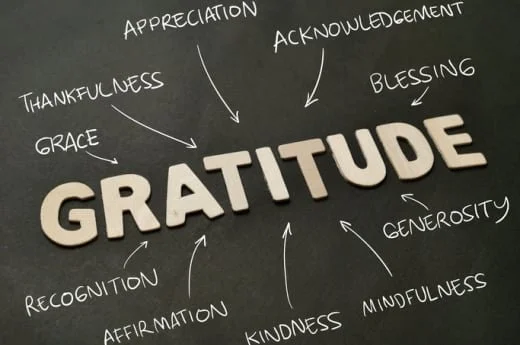
You are constantly being asked to do more with less—to accelerate transformation, to reduce technical debt, and to secure the loyalty of high-value clients. In this unrelenting pursuit of the next objective, it is easy to fall into the demanding trap of focusing solely on what is missing or broken. But what if the next level of strategic power and influence you seek isn't found in a new budget line or a cutting-edge tool, but in a simple, internal discipline? Are you unintentionally draining your strategic power by neglecting the discipline of gratitude for what you already have?
The Abundance Engine: Gratitude as a Force Multiplier
For seasoned leaders across Client Success, IS, and IT, the professional environment can often feel like a landscape of perpetual need. We are measured by gaps: the gap between current and desired state, the gap in system stability, or the gap in client retention targets. This focus on deficits, while necessary for problem-solving, can erode our vision and our endurance.
Elizabeth Kübler-Ross, renowned for her deep insight into the human condition, provided a powerful corrective that translates directly to strategic leadership:
“A grateful person is a powerful person, for gratitude generates power. All abundance is based upon being grateful for what we have.” (Elisabeth Kübler-Ross, The Wheel of Life: A Memoir)
This statement suggests that true strategic power is not merely accumulated through external assets but is generated internally through perspective. Gratitude fundamentally shifts the organizational narrative from one of scarcity to one of sufficiency. When you, as a leader, genuinely cultivate thanks, you unlock three critical strategic advantages for your organization:
1. Amplified Vision and Clarity
A perspective rooted in thanks provides immediate, vital clarity. When you step back from the tactical urgency and recognize the abundance of talent, the reliability of current platforms, and the historical client partnerships you possess, you are empowered. This focus allows you to see the current strengths—the assets—available to you, rather than being paralyzed by the perceived threats or limitations. You replace the anxiety of scarcity with the confident assurance necessary to set a clear, focused strategic course.
2. The Client Success Multiplier
In CSM, the ability to handle a crisis—a critical bug, a service disruption, or a challenging renewal—is often the true measure of leadership. When your team operates from a position of chronic complaint or stress over what is lacking, client escalations feel like an overwhelming burden.
However, a leadership team that models gratitude—for the challenging but valuable client, for the talented specialists working overtime, and for the infrastructure that did not fail—fosters resilience. Gratitude acts as a relational multiplier. It conveys strength and stability, demonstrating to your clients and your team that while you may face difficulty, you do so with composure and perspective, viewing problems as challenges to overcome with the resources you have, not impossible walls to breach.
3. Retention and Culture Fuel
In the competitive IS/IT labor market, your culture is your greatest retention tool. You can pay market rate, but you cannot buy loyalty.
When you, as a leader, prioritize expressing sincere gratitude for the diligence of your engineers, the consistency of your system administrators, and the endurance of your functional leads, you are not simply being polite—you are funding their commitment. Your genuine thanks for their character and commitment transforms transactional work into meaningful contribution. This discipline of thanksgiving, far from being a soft virtue, is an essential component of a psychologically resilient and high-performing technical culture.
The Discipline of the Powerful Leader
Leading from a position of gratitude is a discipline, not merely a fleeting emotion. It requires a deliberate, daily commitment to recognize the good—the provision, the capability, and the strength—that underpins the complexity of your enterprise.
Your strategic power is not limited by your current budget or your Headcount FTE. It is limited by the perspective from which you choose to operate. By centering your leadership on gratitude, you tap into an inexhaustible source of power, vision, and enduring influence, shaping your organization not by the crises you manage, but by the abundance you recognize.
Truth's Ascent: Navigating the 3 Stages of Change

We are now well into the first quarter of 2026. By now, the polished slides of your annual kickoff have met the messy reality of daily operations. Are the "truths" you championed in January currently being embraced—or are they quietly being met with the friction of the status quo?
The transition from February to March is often the "make or break" window for digital transformation. It is the season where the novelty wears off and the discipline of leadership begins. If you find your initiatives facing headwinds, it may not be a sign of failure, but rather a sign that your strategy is moving through a predictable, necessary gauntlet.
There is a profound framework for this experience, famously articulated by the philosopher Arthur Schopenhauer in his preface to The World as Will and Representation (1818):
"All truth passes through three stages. First, it is ridiculed. Second, it is violently opposed. Third, it is accepted as self-evident."
For the C-suite leader, VP, or Principal Engineer, these stages aren't just philosophical observations; they are the strategic milestones of any significant change management initiative.
Stage One: The Ridicule of the Unfamiliar
In the fast-paced world of tech and Client Success, new truths often arrive looking like "extra work" or "unnecessary pivots." When you suggest a radical simplification of your tech stack or a shift in how you measure client health, the first response is often a dismissive laugh or a sarcastic comment in the hallway.
As a leader, your role here is not to take offense, but to practice high emotional IQ. Recognize that ridicule is often a mask for a lack of understanding or a fear of the unknown. Can you remain a steady, inquisitive force when your vision is being minimized during these late-winter months?
Stage Two: The Friction of Opposition
As your "truth" gains traction and begins to move from theory to implementation—the phase many of us find ourselves in right now—the opposition often turns from dismissive to defensive. This is the stage of "violent opposition"—not in a physical sense, but through bureaucratic roadblocks, passive-aggressive compliance, or vocal dissent.
In thermodynamics, we know that friction generates heat. In leadership, this heat is often a sign that you are finally touching the core of the problem. It is here that the biblical principle of "speaking the truth in love" (Ephesians 4:15) becomes a strategic imperative. Can you hold the line with authority and compassion, addressing the fear behind the opposition without compromising the integrity of the mission?
Stage Three: The Quiet Power of the Self-Evident
The most rewarding moment for a senior leader is the day the "radical idea" becomes "the way we’ve always done it." The opposition fades, the ridicule is forgotten, and the new system becomes the bedrock of your operational excellence.
However, the trap for the seasoned leader at this stage is pride. When the truth becomes self-evident, the focus should shift back to the team’s success. Your goal was never personal vindication; it was the flourishing of the people and the systems in your care. The goal of a transformative leader isn't to be proven right; it’s to ensure the right path becomes the common path.
Reflective Leadership Audit: The Q1 Check-in
As you evaluate your 2026 strategic initiatives this week, ask yourself:
Where am I in the cycle? Are you currently facing the "ridicule" of a new idea, or are you in the thick of February "opposition"? Identifying the stage helps you calibrate your emotional response.
How do I handle dissent? When a peer or direct report opposes a necessary truth, do you view them as an enemy to be defeated, or a partner who hasn't yet seen the self-evident conclusion?
Is my truth actually true? Before pushing through opposition, have you done the quiet work of self-examination? Does your plan align with the objective reality of your data and the well-being of your team?
Leading through these stages requires a rare blend of iron-clad conviction and humble empathy. By understanding this progression, you can lead your organization through the friction of today into the self-evident successes of tomorrow.
Strategic Stewardship: Redirecting Entropy through Purposeful Correction
In our recent discussions throughout this early part of 2026, we have utilized the laws of thermodynamics to frame the challenges of leadership. We examined the leader’s role as a stabilizing force against natural chaos and the necessity of sustained momentum to drive meaningful change. Yet, a more nuanced challenge often arises: What is the strategic response when the source of friction is internal—originating from a misalignment in attitude, a recurring lapse in judgment, or a detrimental habit within the team?
This is where leadership demands a more disciplined application of emotional intelligence: the shift from passive observation to firm, purposeful correction.
The Hidden Cost of Passive Management
It is tempting to adopt a posture of "passive kindness"—avoiding friction or delaying difficult conversations under the guise of maintaining morale. However, in complex Information Systems or Client Success environments, unchecked negative behavior acts as a catalyst for systemic entropy. By sidestepping the conflict, are you actually preserving the peace, or are you inadvertently subsidizing the erosion of your team’s standards?
To allow a destructive pattern to persist is not an act of compassion; it is a failure of stewardship. In a technical ecosystem, this neglect allows "negative energy" to degrade the system’s integrity, eventually impacting output, client trust, and peer-level stability.
Correction as Strategic Redirection
True leadership in this context is an act of precision redirection. It is the process of intervening to ensure that a team member’s energy is not dissipated in friction, but channeled toward productive, high-value outcomes.
This approach requires a clear distinction between the individual’s inherent value and their current output or behavior. A seasoned leader recognizes the potential within the person while maintaining the authority to address the misalignment. The message is clear: “The current trajectory is inconsistent with the excellence we require. Because I am invested in your success, we must address this immediately.”
Operationalizing Firm Compassion
To implement this effectively within a high-stakes technical or SMB environment, consider these strategic pillars:
Clarity and Intentionality: Avoid the ambiguity of "dropping hints." Technical professionals and senior managers value precision. Address the behavior and its specific impact on system equilibrium directly. How often does a lack of clarity in your feedback lead to a recurrence of the very issue you hoped to resolve?
Alignment with Shared Objectives: Frame the correction within the context of the organization’s mission. If a Principal Engineer or Senior CSM is out of alignment, how does that impact the broader digital transformation roadmap? Positioning the conversation around shared goals reduces defensiveness and elevates the stakes.
The Partnership Model: Correction should not be a terminal event, but a transition. After identifying the misalignment, offer a collaborative path forward. This reinforces that your objective is to build capacity, not to assign blame. Are you providing the necessary scaffolding for your leaders to course-correct effectively?
By embracing the discipline of purposeful correction, you are not merely managing a team; you are actively resisting entropy. You become the force that transforms potential friction into the positive inertia required for significant, long-term success.
Bonus: The Passive Kindness Audit
A Strategic Self-Assessment for Senior Leaders
As we approach a new year of growth, reflect on your management style over the last quarter by auditing your recent interactions:
The Conflict Avoidance Check: Have I delayed a "difficult" conversation with a high-performing contributor because I feared it might disrupt a current project timeline?
Insight: Prioritizing short-term peace often subsidizes future systemic dysfunction.
The Clarity of Feedback Audit: When providing correction, do I use "soft" or ambiguous language to lessen the immediate discomfort of the recipient?
Insight: Precision is a form of respect. Does your team know exactly where they stand?
The "Culture of Exceptions" Analysis: Am I allowing a senior leader or architect to bypass organizational standards because their technical output is high?
Insight: When you make exceptions for behavior based on technical merit, you signal that system rules are negotiable.
The Non-Verbal Alignment Review: During meetings, do I remain silent when a team member displays a dismissive attitude or poor etiquette?
Insight: Silence from a leader is often interpreted as tacit approval.
The Partnership vs. Procrastination Test: When I notice a performance dip, is my first instinct to "wait and see" or to engage in a collaborative inquiry?
Insight: Real compassion is proactive. Waiting for a problem to become critical is a reactive failure.
Strategic Leadership: The Engine of Organizational Order

In the demanding environment of Information Systems and Client Success, inaction is not a stable state; it is systemic drift. A high-performing team, left without intentional guidance, gradually trends toward organizational disorder. Priorities can quietly diverge, knowledge transfer slows, and processes begin to accrue systemic risk.
For senior leaders—the C-Suite, SVP, and VP—your fundamental, strategic role is to function as a Thermodynamic Engine. You are the conscious, deliberate force that expends focused energy to convert raw organizational resources and effort into predictable, high-order business outcomes.
This is not about being a directive manager; it is about maintaining and increasing systemic order through strategic influence and design. Is your executive energy focused on fire-fighting immediate issues, or on defining the strategic architecture that prevents them?
Organizational Drift: The Systemic Tax on Performance
Organizational drift is the silent, incremental increase in systemic complexity and drag on efficiency. As a leader, you must skillfully manage its key forms:
Strategic Misalignment: The energy dissipation that occurs when departmental efforts are not precisely synchronized with the overarching corporate objectives. This often results in IT prioritizing non-essential projects or Client Success investing effort in low-value accounts.
Process and Technical Decay: The natural accumulation of technical debt and operational overhead. This forces high-value talent to dedicate cycles to low-value maintenance and reactive support, reducing capacity for innovation.
Talent Stagnation: The risk that capable team members become comfortable with routine, leading to a gap between current skills and the emerging requirements of digital transformation.
You are not tasked with achieving perfect, permanent order. Your mandate is the intentional, continuous management of this systemic disorder.
The Strategic Leader’s Mandate: Directing the Force
The mandate of the strategic leader is to maximize high-order output while systematically mitigating organizational friction. This requires three professional levers:
1. Injecting High-Quality, Directed Energy
As the executive, you are the primary source of strategic clarity. You must deliver a vision that is not just motivating, but fundamentally directive—a filter that clearly validates every team priority and investment. The clarity of your input determines the potential clarity of your team's output.
Does your team's current mission actively guide resource allocation, or is it a conceptual statement decoupled from daily execution?
2. Designing for Predictable Flow
The efficiency of any system is defined by its design. Your leadership energy is best spent creating the high-flow operational architecture (communication standards, decision protocols, performance metrics) that enables talented people to execute autonomously, without unnecessary friction. This demands an astute understanding of team dynamics and non-verbal cues to identify and resolve systemic bottlenecks before they impact client delivery or project timelines.
How much time is your most experienced talent spending navigating internal procedural barriers that you, as a leader, could strategically eliminate?
3. Managing Systemic Friction
The conversion of organizational potential into realized order inevitably generates friction—the natural resistance to change, the challenge of resource trade-offs, and the labor of holding people accountable. The high-EQ leader does not ignore this systemic friction, but effectively channels it. You must create professional environments for candid communication, measured accountability, and structured conflict resolution, ensuring organizational energy is efficiently directed toward shared goals.
Are you creating the structured space for necessary strategic debates that will result in a higher, more sustainable state of operational order?
By embracing this thermodynamic mindset, you move beyond merely managing activity. You position yourself as the essential strategic function—the conscious, deliberate force that creates and sustains a powerful, ordered system capable of driving superior client outcomes and successful digital transformation.
The True North of Leadership: Are Your Actions Telling the Right Story?

In the demanding world of Client Success and Information Systems, we often operate under the conviction that our Strategic Action Plan or our KPI dashboard defines our success. We push our teams to do more, implement faster, and achieve higher numbers. But what if the most powerful force shaping your leadership legacy—and the loyalty of your team—isn’t what you do, but something far more foundational? Are you leading your organization based on what you love more than what you know?
The Unseen Anchor of Leadership
The technical marketplace is a crucible of urgency. Whether rolling out a complex digital transformation initiative or fighting to preserve a critical client relationship, the pressure to execute is immense. We rightfully focus on metrics, governance, and effective workflow. Yet, for leaders operating at the VP and C-Suite levels in SMB and mid-market companies, the difference between transactional management and transformative leadership often comes down to an internal, often neglected quality.
Centuries ago, Augustine Aurelius distilled a profound truth about human character that holds immense resonance for today’s executive:
“We are shaped most by what we think, not by what we do, but by what we love. For when we ask whether somebody is a good person, we are not asking what he believes or hopes for, but what he loves.” (Augustine Aurelius, De Trinitate, Book IX)
This statement is not merely philosophical; it is a critical strategic insight. In the context of leadership, what you love—what you value, prioritize, and genuinely care about—serves as the unseen anchor that determines your decisions, your relational style, and the ultimate health of your organization.
The Strategic Alignment of Affection
For the leader in Client Success (CSM) or Information Systems (IS/IT), what does it mean to be judged by what you love?
1. The Love of the Mission Over the Method
Many experienced technical leaders know they should prioritize the client experience or system reliability. But if your deepest affection is rooted in the perfection of the method (e.g., maintaining rigid legacy processes, proving the technical superiority of a chosen stack, or protecting a departmental budget), your leadership will be rigid.
Challenge for You: When facing a critical decision—be it a system overhaul or a client escalation—where does your attention land first? On preserving your operational comfort, or on the success of the outcome for the organization and the client? Your genuine love for the mission (delivering value, enabling the business, upholding integrity) must supersede your attachment to the process.
2. The Love of People Over Productivity
In technology, it is easy to view engineers, CSMs, and specialists as highly effective resources to be managed for optimal output. While performance is non-negotiable, a leader whose core love is the well-being and development of the individual will naturally inspire profound commitment.
This is not a soft approach; it is strategic wisdom. When you genuinely love to see your people grow and succeed, you invest time in mentoring, you offer constructive correction, and you advocate for their future. This leadership style is felt—it creates loyalty, reduces costly churn in specialized roles, and fosters a culture of mutual respect where people give their best, not just their obligated minimum.
3. The Love of Clarity Over Control
For leaders operating at the top of an organization, the temptation to hoard information and maintain tight control is a constant challenge. However, true strength lies in a love for Clarity—the commitment to transparent, unambiguous communication, even when the news is difficult.
When your primary desire is to maintain Control, you create bottlenecks and breed suspicion. When your true love is for Clarity, you empower your seasoned individual contributors and managers with the context they need to make intelligent, localized decisions. You trust the individuals you hired and align your team to the strategic intent of the organization, freeing your own time for higher-level thinking and external engagement.
The Call to Examine Your Heart’s Motives
The complexity of the SMB and mid-market landscape demands leaders who are not only competent in action but sound in character. Your success is not merely a reflection of the latest quarterly numbers, but a reflection of the deep-seated values you carry into every meeting, negotiation, and one-on-one conversation.
As you step into your next strategic challenge, take a moment to pause and consider the truth of Augustine’s words. Ask yourself: What does my leadership truly love?
The answer will be clearly demonstrated not through your email signature or your formal job description, but through the non-verbal cues your team reads, the decisions you make under pressure, and the loyalty you command when times are difficult. Lead with strategic affection, and watch your organization thrive.
The Scarcity Principle: How Giving Away Control Creates Unstoppable Teams

How many times have you been in the middle of a critical client incident—a system down, a deadline missed—and found yourself thinking, "If I could just delegate this whole mess to my top expert and get out of their way?"
It's a common dilemma in the SMB and enterprise world, particularly across Client Success and IT. We hire brilliant, highly compensated technical professionals to solve complex problems, yet our organizational structures often incentivize micromanagement and bottlenecks, effectively stifling the very expertise we sought out. The result? Slow-moving teams, burnt-out leaders, and a frustrating dependence on hierarchy when agility is what the client demands.
The true secret to organizational resilience and sustained innovation isn't in building thicker SOPs or tighter controls; it's in a counterintuitive act of strategic surrender—releasing control to empower the talented people on your team.
The Engine of Innovation: Necessity & Autonomy
To understand how to build resilient teams, we must look to the bedrock of human ingenuity. Our most reliable driver of progress is not comfort or abundance; it is challenge.
The timeless adage, "Necessity is the mother of invention," encapsulates this truth. Though often misattributed, the phrase traces back at least to the ancient Greek philosopher Plato, who used it in The Republic (c. 380 BC) to describe the original motive for establishing a state: people come together in a society because they are not self-sufficient and need one another to survive. In a business context, this means that a pressing problem—a client crisis, a security threat, or a competitive gap—is the most potent catalyst for creative solutions.
As leaders, your responsibility is to create the conditions where your team owns the necessity of solving the problem. Instead of providing the answer, provide the challenge, the resources, and the authority to conquer it. When you trust your engineers, CSMs, and analysts with real stakes, you unlock invention.
The Strategic Surrender: Treating People Well
This concept of empowering invention is only effective when paired with a leadership style built on trust and respect. Why train your people into market-ready experts only to have them leave? The answer lies in the leadership and cultural foundation you build.
The renowned business magnate Sir Richard Branson articulated this philosophy succinctly: "Train people well enough so they can leave, treat them well enough so they don’t want to." This is a powerful, emotionally intelligent mandate for every senior leader in Technology and Client Success.
The context is simple: investment in people—through rigorous training, continuous development, and exposure to cutting-edge tools—is a non-negotiable cost of doing business. But retention isn't bought with training; it’s earned with culture. When your teams feel valued, respected, and entrusted with meaningful work, the need to seek opportunity elsewhere diminishes.
The Leadership Mandate: Get Out of the Way
For those of us leading complex, mission-critical teams, the final piece of the puzzle is the most difficult: letting go.
Branson expands on his retention philosophy with a practical mandate for autonomy: "We look for staff with a passion for people. We give them the tools to do the job, and then we get out of the way. Trust your people to do the right thing."
This is not a policy; it’s a strategic decision that shifts the focus from managerial supervision to enabling success. In high-stakes environments like enterprise IT and Client Success Management, you simply do not have the time to audit every decision. Your competitive edge is the speed and quality of your team's on-the-ground response.
The best leaders I've worked with—including the senior leadership team at Dun & Bradstreet supporting the Technology, Media, and Telecom (TMT) CSM Team—have mastered this art. They act as a force multiplier, providing the necessary tools, cutting-edge training, clear strategic direction, and a rock-solid foundation of assistance. They don't micromanage how a CSM resolves a platform integration issue or how an engineer deploys a critical patch; they simply ensure the team has the ability and authority to do what is necessary.
Actionable Strategy for Your Leadership
Your most talented employees don't want to be told what to do; they want to be given the power to innovate under the pressure of necessity. They want a manager who equips them, points them at the problem, and then has the confidence to step back.
Challenge yourself this week: Identify one critical project and, instead of providing the solution, provide the "Necessity," and then explicitly communicate your trust and autonomy. Watch as your team steps up to be the brilliant inventors you hired them to be.
The scarcity principle works in leadership, too: the less you hoard control, the more innovation, ownership, and loyalty you receive in return.